A cheap plug-in car tracker and a full GPS fleet tracking platform can both answer the question “where is my vehicle right now?” - but that’s roughly where the similarity ends. One is a consumer gadget for finding a single car; the other is a business system for running a fleet safely and profitably. This guide explains exactly how they differ, and how to tell which one your operation actually needs.
GPS fleet tracking vs. consumer car trackers at a glance
Both use GPS satellites and a mobile data connection to report a vehicle’s position. The difference is everything built around that raw location - the alerts, the control, the reporting, and whether the whole thing is designed to scale past one vehicle.
| Capability | Consumer car tracker | GPS fleet tracking |
|---|---|---|
| Live location | Yes, often delayed pings | Yes, updated every few seconds |
| Multiple vehicles | One at a time | Whole fleet on one dashboard |
| Geofencing & alerts | Basic or none | Configurable zones + 30+ smart alerts |
| Remote engine cut | Rarely | Yes, immobilise remotely |
| Driver scoring | No | Yes, behaviour graded per driver |
| Trip history & reports | Limited | Full route playback + reports |
| Installation & SIM | Self-fit, your own SIM | Managed device, SIM and fitting |
| Support | Consumer-grade | Business support |
What consumer car trackers are good at
Consumer trackers - the kind you buy online and plug into a socket or hide under a seat - do a specific job well. For a single personal vehicle, they’re a reasonable choice when you want:
- Basic peace of mind about where one car is.
- A rough location if the car is stolen.
- A low up-front cost with no professional installation.
The trade-off is depth. Location updates can lag by minutes, alerts are minimal, there’s usually no way to remotely stop the vehicle, and there’s no reporting to speak of. That’s fine for one car, but it falls apart the moment you’re responsible for several vehicles, drivers and budgets.
What GPS fleet tracking adds
A fleet platform is built for the realities of running vehicles as part of a business. The extras aren’t luxuries - each one maps to a cost you’re already carrying.
Real-time visibility across the whole fleet
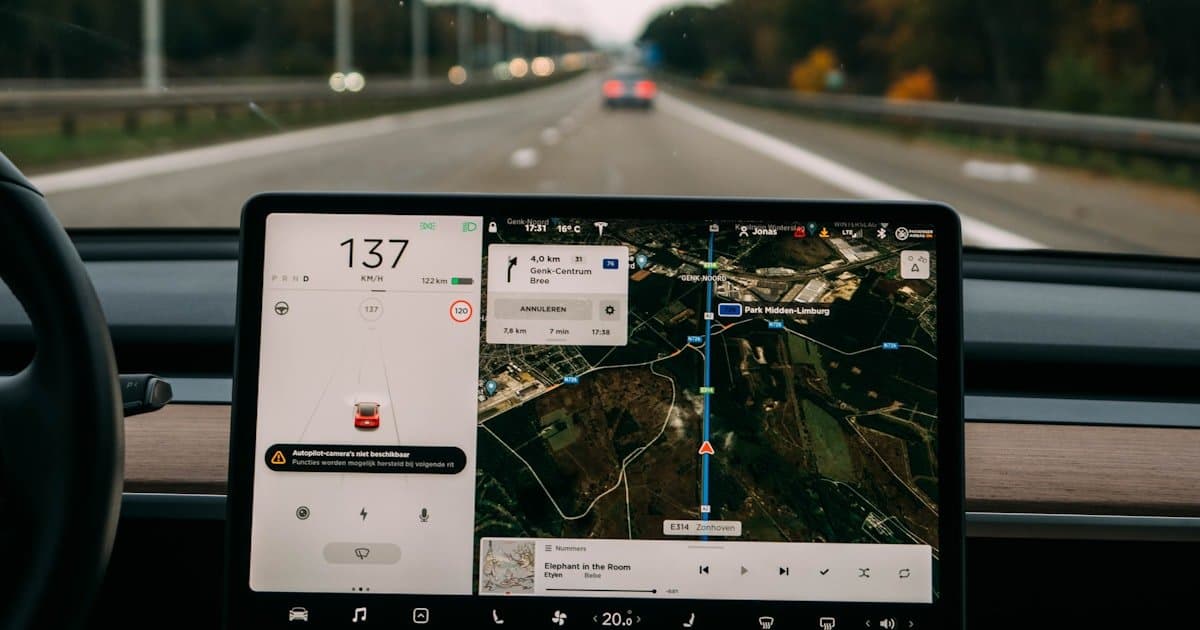
Instead of checking one car, you see every vehicle on a single live map, updated every few seconds - who’s moving, who’s parked, who’s off-route. That’s the difference between finding a car and actually dispatching a fleet. For the mechanics of how this works, see how GPS vehicle tracking works.
Geofencing and smart alerts
Draw zones around depots, sites and restricted areas and get notified on entry or exit. Add alerts for speeding, idling, harsh driving and out-of-hours movement, and the system tells you when something needs attention instead of you watching a map. Our explainer on geofencing for fleets covers the practical setups.
Security you can act on
A consumer tracker might show you where a stolen car went. A fleet platform with a remote engine immobiliser lets you cut the engine and stop it - the difference between watching a theft happen and preventing it.
Driver safety and cost control
Driver scoring grades behaviour so you can coach safer driving, and safer driving means fewer accidents and less wasted fuel. Trip history and reports turn every journey into data you can act on. None of this exists in a basic consumer device.
Managed hardware and support
Fleet providers supply and fit the device, include the data SIM, and back it with business support. You’re not sourcing hardware, buying SIMs and self-installing across a fleet of vehicles - it’s handled end to end.
Reporting that stands up to scrutiny
When a customer disputes a delivery time, an insurer questions an incident, or you need to prove a driver’s hours, a consumer tracker leaves you guessing. A fleet platform keeps a full trip history you can replay minute by minute and export as clean reports. That audit trail protects you in disputes and turns arguments into evidence - something no plug-in gadget was designed to do.
Cost per vehicle scales sensibly
People often assume a fleet platform must cost far more than a handful of cheap trackers. In practice, fleet software is priced per vehicle and includes the device, SIM, installation and the entire dashboard, whereas stitching together consumer units means separate hardware, separate SIMs, separate apps and no unified view. Once you factor in the fuel, theft and accident savings, the per-vehicle economics usually favour a proper platform - our pricing guide breaks the numbers down.
Which one does your business need?
The honest answer depends on scale and stakes:
- One personal car, low stakes. A consumer tracker is probably enough.
- Two or more vehicles you depend on for income. You need fleet tracking - the reporting, alerts and control pay for themselves.
- Any fleet where theft, fuel or driver safety is a real cost. Consumer trackers can’t touch these; fleet tracking is built around them.
Trying to run a business fleet on consumer trackers usually ends the same way: a drawer full of gadgets, no single dashboard, no alerts, and no way to prove what happened on any given trip. For a practical walk-through of doing it properly, see how to track company vehicles, and if you’re weighing platforms, the 2026 buyer’s guide lays out the checklist.
Frequently asked questions
Is GPS fleet tracking just a car tracker for more vehicles?
No. A car tracker finds one vehicle; GPS fleet tracking adds a live multi-vehicle dashboard, geofencing, driver scoring, remote engine cut, reporting and managed hardware - a business system rather than a single gadget.
Can I use consumer car trackers for my business fleet?
You can, but it rarely works well. You lose the single dashboard, real-time alerts, remote immobilisation and reporting that make a fleet manageable and profitable. Most businesses that try it end up switching to a proper platform.
Do fleet trackers need professional installation?
Usually, yes - and that’s a benefit. A managed provider like Fleetile supplies the device and SIM and fits it professionally, so the tracker is hidden, wired correctly, and reliable, unlike a plug-in consumer unit that’s easy to remove.
Is fleet tracking worth it for a small fleet?
Often more so, because small fleets feel every stolen vehicle, wasted litre of fuel and accident directly. The fuel, theft and safety savings from proper GPS fleet tracking typically outweigh the cost within the first few months.
See real GPS fleet tracking in action
The difference is obvious the moment you see it live. Get a Fleetile demo and watch real-time tracking, geofencing, driver scoring and remote control running on real vehicles - then compare that to any consumer tracker.