If your business runs even a handful of vehicles, you’ve done fleet management - whether you called it that or not. Deciding who drives what, keeping vehicles maintained, controlling fuel costs, knowing where a vehicle is: that’s fleet management. This guide explains what it really means, what a fleet manager actually does, and how modern software turns a messy, manual job into a single live dashboard.
What is fleet management?
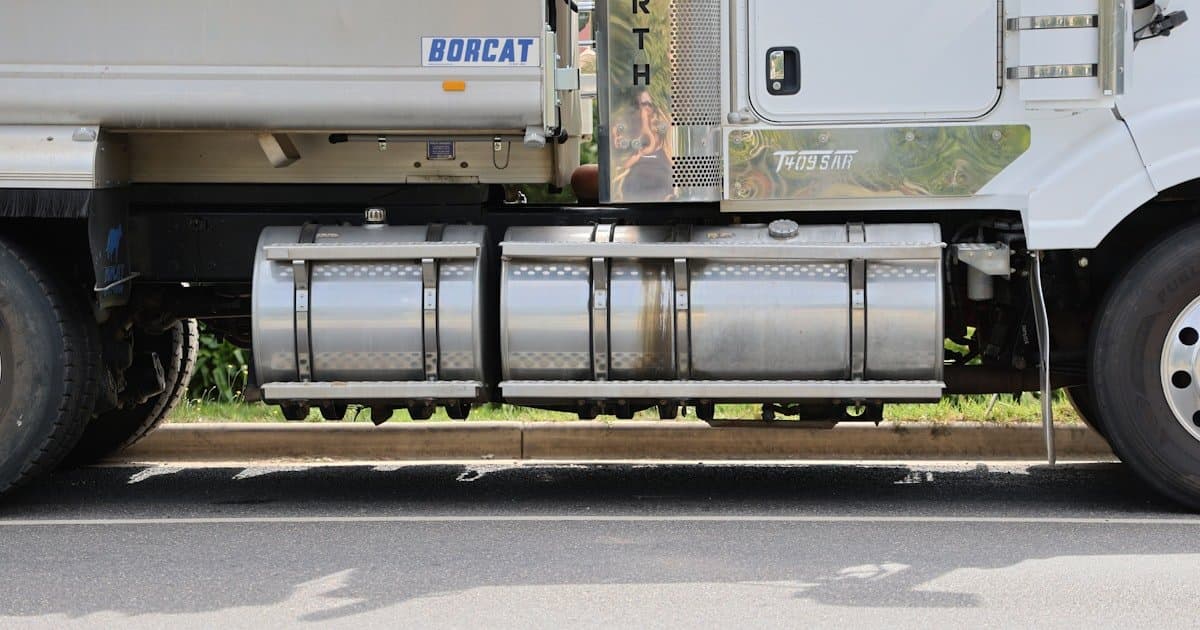
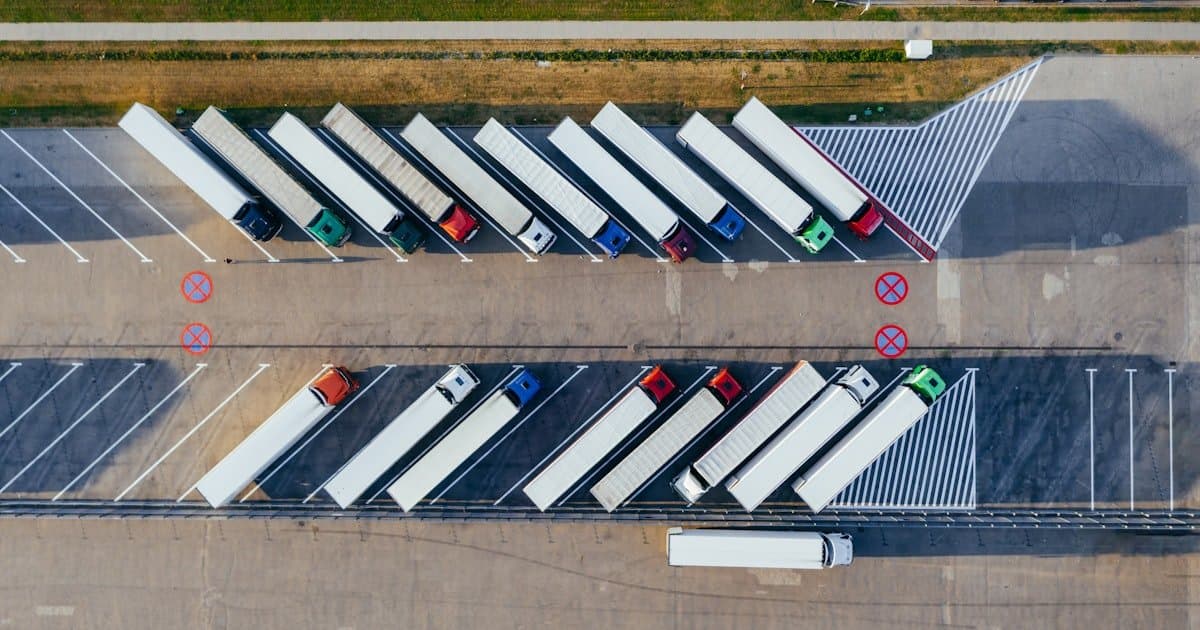
Fleet management is the process of overseeing a company’s vehicles and mobile assets to keep them safe, efficient, and cost-effective throughout their working life. A “fleet” can be delivery vans, trucks, company cars, motorcycles, buses, or even non-powered assets like trailers and generators.
The goal is simple: get the most value out of every vehicle while spending the least on fuel, maintenance, and risk. In practice that covers everything from live location tracking to driver safety, fuel monitoring, maintenance scheduling, and compliance.
Why fleet management matters
Vehicles are one of the largest and riskiest costs a business carries. Without oversight, three problems creep in:
- Rising costs - fuel waste, idling, inefficient routes, and unplanned repairs.
- Security risk - theft, unauthorised use, and no way to recover a stolen vehicle.
- No visibility - you can’t improve what you can’t see. Manual logs and phone calls don’t scale.
Good fleet management replaces guesswork with data. Businesses that adopt GPS fleet tracking commonly report lower fuel bills, fewer accidents, and dramatically reduced theft.
What does a fleet manager do?
A fleet manager (or whoever wears that hat) is typically responsible for:
- Tracking vehicles - knowing where each vehicle is, in real time.
- Controlling costs - fuel, maintenance, insurance, and depreciation.
- Keeping drivers safe - monitoring speed, harsh braking, and behaviour.
- Maintenance - servicing vehicles before they break down, not after.
- Compliance & records - trip history, audit trails, and documentation.
- Security - preventing theft and misuse, and recovering vehicles fast.
Doing all of this on spreadsheets and phone calls is exhausting. This is exactly where fleet management software comes in.
Core features of fleet management software
Modern platforms like Fleetile bundle the whole job into one system. The essentials to look for:
| Feature | What it does |
|---|---|
| Live GPS tracking | See every vehicle’s position, speed and heading, updated every few seconds. |
| Geofencing | Draw zones on a map and get alerts when a vehicle enters or leaves them. |
| Remote engine cut | Immobilise a vehicle remotely if it’s stolen or used without authorisation. |
| Driver scoring | Grade driving behaviour (speeding, harsh braking) to improve safety. |
| Trip history & reports | Replay routes and turn raw data into decisions. |
| Smart alerts | Instant notifications for overspeeding, geofence breaches, idling and more. |
| Mobile app | Manage the whole fleet from your phone (iOS & Android). |
How GPS fleet tracking saves money
The single biggest win from fleet management is visibility, and it pays for itself quickly:
- Fuel savings - cut idling, reduce unauthorised trips, and pick shorter routes.
- Theft prevention - geofencing plus remote engine immobilisation stops a stolen vehicle in its tracks.
- Lower maintenance costs - service on schedule instead of paying for breakdowns.
- Safer drivers - driver scoring reduces accidents, and accidents are expensive.
- Less admin - automated reports replace hours of manual logging.
Who needs fleet management?
Any business that depends on vehicles benefits, including:
- Logistics and delivery companies
- Construction and heavy-equipment operators
- Field service teams (plumbing, HVAC, telecom)
- Rental and leasing businesses
- Passenger transport and school buses
- Any company with a pool of shared vehicles
Getting started
You don’t need a huge fleet or a big budget to begin. A modern platform handles everything end to end - the GPS device, SIM, installation, and software. The best way to understand the value is to see it live with your own vehicles.
Ready to see it in action? Get a Fleetile demo and watch your fleet come to life on one live dashboard.
Frequently asked questions
What is the difference between fleet management and vehicle tracking?
Vehicle tracking is one part of fleet management. Tracking tells you where a vehicle is; fleet management uses that data plus maintenance, driver safety, fuel and reporting to run the whole operation.
Do I need special hardware for fleet management?
Yes - a GPS device is installed in each vehicle. Good providers supply the device, SIM and installation, so you just use the software.
How much can fleet management save my business?
It varies, but savings typically come from reduced fuel use, fewer accidents, lower maintenance costs, and prevented theft. Many fleets recover the cost within the first few months.
Can I manage my fleet from my phone?
Yes. Platforms like Fleetile offer full iOS and Android apps so you can track, receive alerts, and send remote commands from anywhere.