Choosing the right GPS tracking device is the decision that quietly determines how well your entire fleet system works. The dashboard, the alerts and the reports all depend on the small piece of hardware wired into each vehicle - and a cheap or poorly fitted unit undermines everything built on top of it. This guide explains the device types, the features that genuinely matter, and the questions to ask before you commit.
What a GPS tracking device actually does
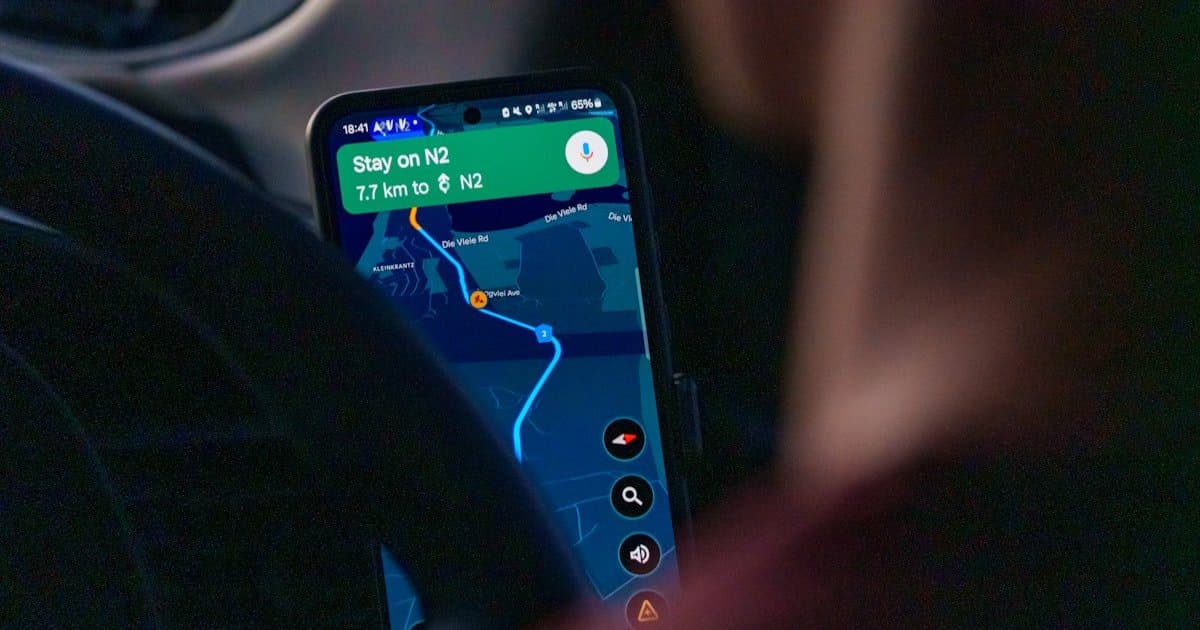
A GPS tracking device receives a position from GPS satellites, then uses a mobile data SIM to send that location - along with speed, heading and other signals - to a platform you log into. The device is the sensor; the software is the brain. If you want the full picture of how the two work together, our explainer on how GPS vehicle tracking works walks through the chain step by step.
Because the device is doing the sensing, its quality caps the quality of everything downstream. A unit that only reports every few minutes can never give you real-time tracking, no matter how good the dashboard is.
The main types of GPS tracking device
Trackers generally fall into three categories, and the right choice depends on how the vehicle is used.
| Device type | How it’s fitted | Best for |
|---|---|---|
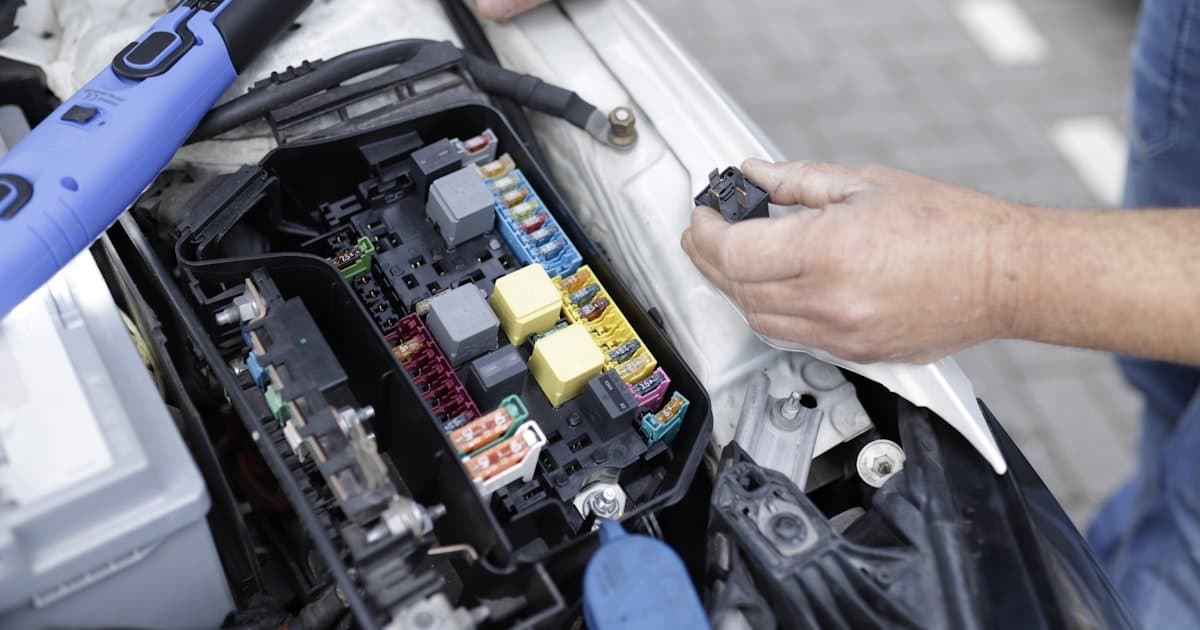
| Hardwired tracker | Professionally wired to the vehicle’s power and ignition | Company fleets, long-term use, anti-theft |
| OBD plug-in tracker | Plugged into the OBD-II diagnostic port | Quick self-fit, short-term or rental use |
| Battery-powered tracker | Magnetic or hidden, no wiring | Trailers, containers, non-powered assets |
For a working fleet, a hardwired device is almost always the right answer. It draws power from the vehicle so it never needs charging, it’s hidden and hard to remove, and it can connect to the ignition to enable features like remote engine cut. Plug-in units are convenient but easy to spot and unplug - which is exactly what a thief does first.
Features that matter in the device itself
Some capabilities live in the software, but several depend on the hardware you choose. When comparing devices, check for these:
- Fast update rate - the device should report every few seconds while moving, not every few minutes. This is the line between real-time tracking and delayed pings.
- Ignition-wire support - needed for remote engine immobilisation and accurate trip start/stop detection.
- Internal backup battery - keeps reporting for a short window if the main power is cut, so a thief disconnecting the battery still triggers an alert.
- Tamper and disconnect detection - the device flags when it loses power or is interfered with.
- Reliable cellular coverage - a quality SIM and modem so location keeps flowing across your operating region.
Many of the headline features fleets care about - geofencing, driver scoring, 30+ smart alerts, trip history - are delivered by the platform, but they only work if the device underneath is feeding clean, frequent data.
Buy the device, or buy a managed system?
This is the choice most fleets get wrong. You can source bare trackers online, buy SIMs separately, and fit them yourself - but across a fleet that quickly becomes a support headache: mismatched hardware, SIMs that stop working, units fitted inconsistently, and no single dashboard.
The alternative is a managed system, where the provider supplies the device, includes the data SIM, installs it professionally, and gives you one platform for the whole fleet. Fleetile takes this approach - managed hardware means the device, SIM and fitting are handled end to end, so you’re choosing an outcome rather than assembling parts. You can see how that fits into the wider toolset on the platform overview.
Questions to ask before you buy
Whether you’re buying devices or a full system, these questions separate the strong options from the weak ones:
- How often does the device report while moving? Look for seconds, not minutes.
- Is it hardwired, and do you install it? Professional fitting means it’s hidden and reliable.
- Does it support remote engine cut? This is the single most effective anti-theft feature.
- Is the SIM included and managed? One less thing to source and maintain.
- Does it detect tampering or power loss? Essential for security.
- Who owns the platform the device reports to? An in-house platform gets fixed and improved faster than a resold one.
If you’re still deciding how much all of this should cost, our guide to fleet GPS tracking cost breaks down the device, SIM and subscription components. And if you’re weighing a plug-in consumer unit against a proper fleet device, GPS fleet tracking vs. car trackers makes the distinction clear.
Matching the device to how you operate
The best device is the one that fits your reality. A last-mile delivery van that runs all day needs a hardwired unit with a fast update rate and immobiliser support. An unpowered trailer parked between jobs needs a long-life battery tracker. A short-term rental car might justify an OBD plug-in for its speed of fitting. Start from the vehicle and the risk, and the right hardware becomes obvious. When you’re ready to see real devices reporting into a live dashboard, the quickest path is to book a demo.
Frequently asked questions
What is the best type of GPS tracking device for a fleet?
For most fleets, a professionally hardwired device is best. It never needs charging, is hidden from thieves, and can connect to the ignition to enable remote engine cut and accurate trip detection - things a plug-in unit can’t match.
Do I need to install the GPS tracker myself?
Not with a managed provider. Fleetile supplies the device and SIM and fits it professionally, so the tracker is hidden, wired correctly and reliable from day one - rather than you sourcing hardware and self-installing across every vehicle.
Does the GPS device need its own SIM card?
Yes - the device uses a mobile data SIM to send its location to the platform. With a managed system the SIM is included and maintained for you, so there’s no separate mobile contract to arrange.
Can a GPS tracking device stop a stolen vehicle?
A hardwired device connected to the ignition can, when paired with a platform that supports remote engine immobilisation. You cut the engine remotely to stop the vehicle - the difference between watching a theft and preventing it.
See the right device on real vehicles
The easiest way to judge a tracker is to watch it work. Get a Fleetile demo and see managed, hardwired devices reporting real-time location, geofencing and remote control on live vehicles - then compare that to any bare unit you were about to buy.