A single excavator can be worth more than a whole fleet of vans - and it’s a lot easier to steal, misuse or simply lose track of across a dozen sites. Construction equipment tracking uses GPS and telematics to keep eyes on every machine, trailer and generator you own, wherever it’s parked. This guide explains how tracking protects high-value assets, controls fuel and idling, proves machine hours, and keeps utilisation high across sites.
Why construction fleets are hard to manage
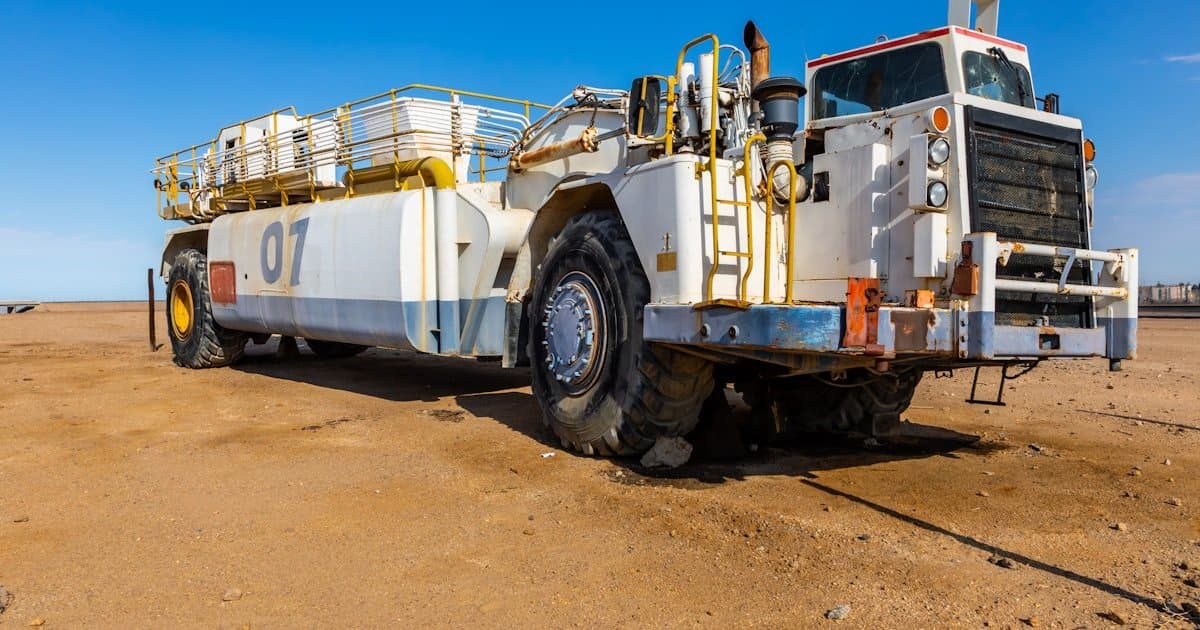
Construction assets create problems that ordinary vehicle fleets don’t. Equipment sits on open, unsecured sites overnight. Machines move between projects and get forgotten. Some assets - trailers, generators, compressors - have no engine or driver at all. And expensive plant is a prime target for theft, with recovery rates notoriously low.
The result is a fleet that’s valuable, scattered and easy to lose visibility of. GPS tracking brings all of it onto one map: powered machines, towed equipment and static assets alike. If you’re new to the category, our guide to what fleet management is covers the fundamentals that apply here too.
Protecting high-value equipment from theft
Plant theft is expensive and demoralising: you lose the asset, the project stalls, and insurance rarely covers the full disruption. Tracking is the most effective deterrent and recovery tool available.
- Geofencing - draw a boundary around each site and get an instant alert if a machine leaves it, especially outside working hours.
- Remote engine cut / immobiliser - stop a stolen machine from being driven or loaded onto a truck.
- Movement alerts - be notified the moment an asset moves when it shouldn’t, day or night.
- Live recovery location - if equipment is taken, give police an exact, current position.
Geofencing is the workhorse here - our explainer on geofencing for fleets shows how to set up zones that alert you before an asset disappears.
Controlling fuel and idling costs
Heavy equipment drinks fuel, and a surprising amount of it is wasted. Machines left idling between tasks, or running when no work is happening, burn diesel and rack up engine hours that bring servicing forward. Tracking makes this visible.
With idle-time reporting you can see which machines and sites waste the most, then set expectations to shut down between tasks. It’s the same principle behind broader fleet cost-cutting: you can’t reduce what you can’t measure.
Proving machine hours and utilisation
Engine-hour data does more than schedule maintenance - it tells you whether you actually need all the equipment you own. Tracking usage per machine reveals the assets that earn their keep and the ones sitting idle that could be redeployed, rented out or sold.
| Data point | What it tells you |
|---|---|
| Engine / working hours | When to service and how hard an asset is used |
| Utilisation rate | Whether you’re over- or under-equipped |
| Idle time | Fuel waste and unnecessary engine wear |
| Location history | Which site an asset was on, and when |
| Movement outside hours | Possible theft or unauthorised use |
Accurate machine-hour records also support billing and hire agreements, and cut disputes over how long a piece of plant was on site.
Maintenance and uptime
A machine that breaks down mid-project can hold up an entire crew. Because engine hours drive most plant servicing, tracking lets you schedule maintenance on real usage instead of guesswork - servicing before a failure rather than after. That means fewer breakdowns, longer asset life and less expensive emergency downtime.
Managing equipment across multiple sites
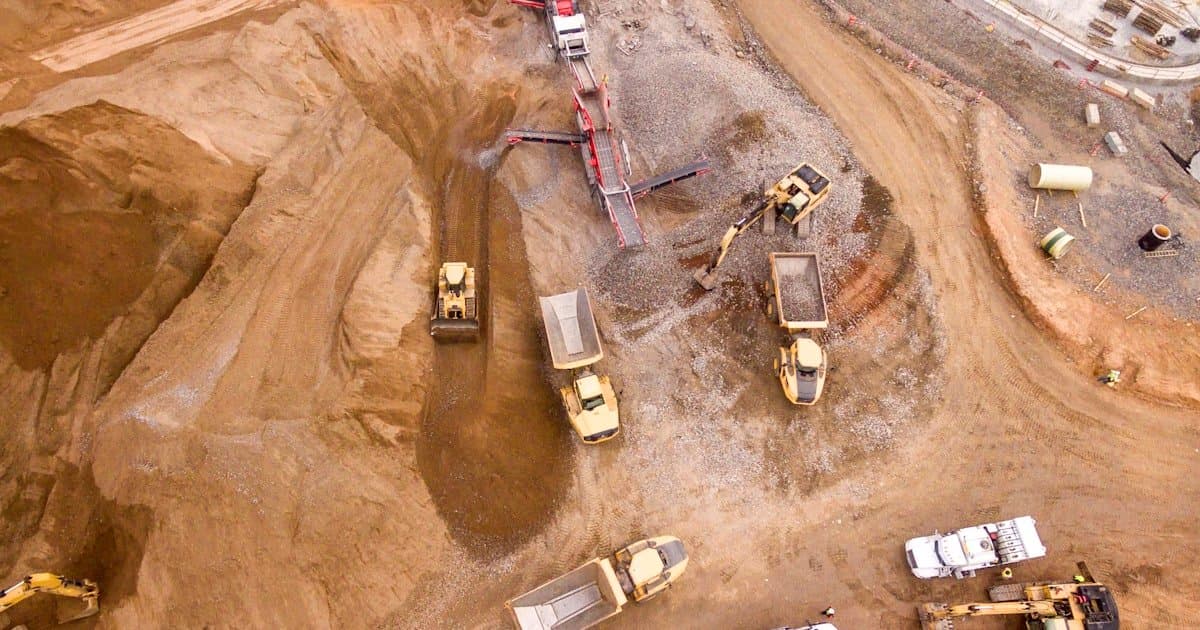
Few construction businesses run a single job. Machines and assets move between projects, get borrowed by one crew from another, and occasionally end up parked at a site that finished weeks ago. Without a central view, keeping track of what’s where turns into a daily round of phone calls - and the answer is often wrong.
A live map ends the guesswork. You can see at a glance which assets are on which site, spot equipment that’s been idle at a completed job and could be redeployed, and confirm a machine actually arrived where it was dispatched. That visibility feeds directly into utilisation: instead of buying or hiring another excavator, you may find you already own one sitting unused across town. For a broader look at trimming costs this way, see our guide to cutting fleet costs without cutting vehicles.
What to look for in construction asset tracking
Construction is tougher on hardware and more varied than a van fleet, so choose accordingly:
- Rugged, flexible hardware - devices that suit both powered machines and unpowered assets like trailers and generators.
- Strong geofencing and theft alerts - site boundaries and out-of-hours movement notifications.
- Remote immobilisation - the single most effective anti-theft feature for high-value plant.
- Engine-hour and idle reporting - for maintenance, utilisation and fuel control.
- Mobile apps - so you can check any asset from any site.
- Managed hardware - device, SIM and installation handled across a mixed fleet.
How Fleetile fits construction fleets
Fleetile puts every machine, trailer and generator on one live map, with geofencing around sites, remote engine cut for theft protection, movement and idling alerts, engine-hour reporting for maintenance and utilisation, and 30+ smart alerts - all in iOS and Android apps with managed hardware. Whether an asset has an engine or not, you can see where it is, how it’s used and whether it’s earning its keep.
Frequently asked questions
Can you track equipment that has no engine, like trailers or generators?
Yes. Battery-powered or self-contained tracking devices can be fitted to unpowered assets such as trailers, generators and compressors, so they appear on the same map as your machines and vehicles.
How does tracking prevent construction equipment theft?
Geofencing alerts you when a machine leaves a site, remote engine cut stops a stolen machine from being driven or loaded, and live location supports fast recovery. Together they deter theft and dramatically improve the odds of getting an asset back.
How does equipment tracking help with maintenance?
Most plant is serviced on engine hours. Tracking records real usage per machine, so you can schedule maintenance on actual hours rather than guesswork - reducing breakdowns and extending asset life.
Is tracking worth it for a small plant fleet?
Yes. Even a few machines represent significant value, and a single prevented theft or avoided breakdown often covers the cost. Better utilisation and fuel control add ongoing savings on top.
See construction tracking in action
The clearest way to judge equipment tracking is to see it running on real assets. Get a Fleetile demo and watch geofencing, theft alerts and utilisation reporting come together on one dashboard.