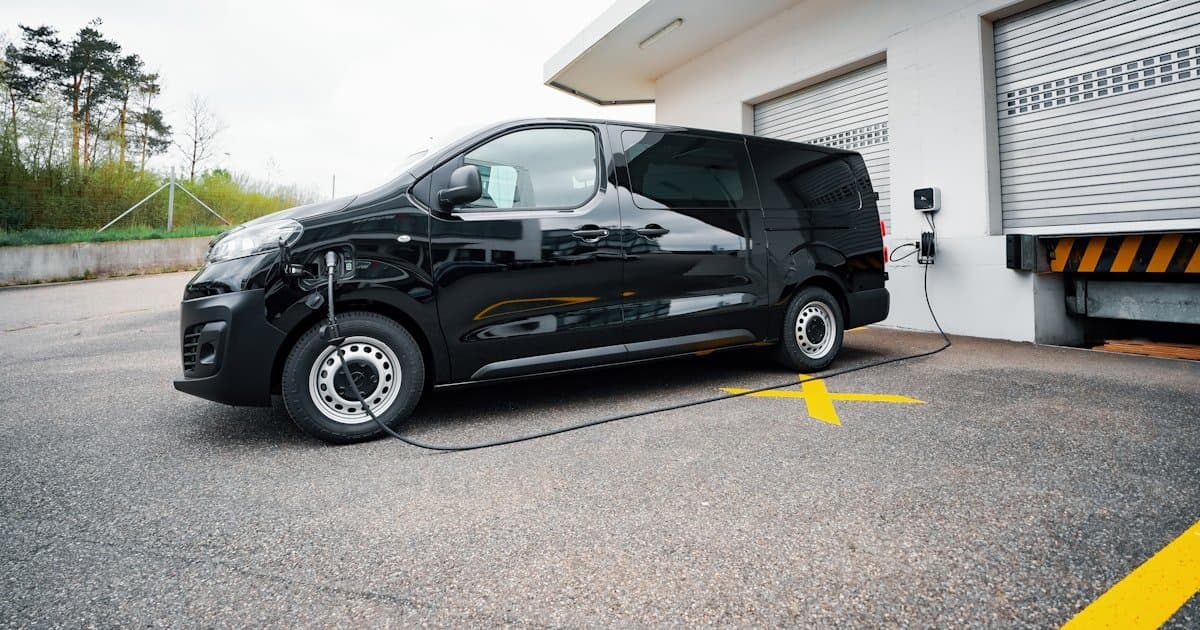
EV fleet management is the same discipline as managing any fleet, with three constraints swapped out. Refuelling in five minutes becomes charging in hours. Fuel range becomes a range that varies with load, temperature and driving style far more visibly. And a vehicle that is charging is a vehicle that is not available, which turns energy into a scheduling problem rather than a purchasing one.
Everything else carries over. Utilisation still matters, driver behaviour still matters, maintenance still matters. What changes is which numbers you watch and how far ahead you have to plan.
The three constraints that actually change
Charging is a scheduling problem
A depot with ten vehicles and four chargers does not have a charging problem, it has a rota problem. Someone has to decide which vehicle charges when, and that decision depends on tomorrow’s routes, not on which vehicle arrived first. Fleets that ignore this discover it as a vehicle that is unexpectedly at forty percent on a morning it was needed at ninety.
Range varies more than fuel range did
A diesel van’s range barely moves with the weather. An electric one’s does, along with load, terrain, use of heating or cooling, and driving style. This is not a defect, it is a planning input. It means route assignment has to consider the vehicle and the conditions rather than treating all vehicles as interchangeable.
The cheapest energy is at a specific time
Fuel costs the same at any hour. Electricity often does not. Shifting charging to off-peak windows is one of the few cost levers that requires no behaviour change from drivers at all, only a decision about when chargers are switched on.
What to measure in an electric fleet
| Measure | Why it matters | Diesel equivalent |
|---|---|---|
| Energy used per kilometre | The core efficiency number, and it varies by driver | Fuel consumption |
| State of charge at shift start | Predicts whether the day’s routes are achievable | Fuel level, but far more critical |
| Charging duration and window | Reveals whether charger capacity is the constraint | No real equivalent |
| Vehicle availability hours | Charging time comes out of the working day | Utilisation |
| Harsh acceleration events | Costs range immediately and visibly | Costs fuel, but less obviously |
The last one is worth dwelling on. Aggressive acceleration in a diesel vehicle costs money slowly. In an electric vehicle it costs range today, which means it can cost you a completed route. Driver behaviour data stops being a long-term efficiency project and becomes an operational input, which is a genuinely different conversation to have with drivers. The measurement side is covered in driver behaviour monitoring.
Mixed fleets are the normal case
Very few fleets go electric all at once. The realistic situation for years is a mixed fleet, and that creates a specific management problem: routes are no longer interchangeable between vehicles.
The practical approach is to sort routes rather than vehicles. Short, predictable, depot-returning routes are the ones electric vehicles handle without any planning overhead. Long, variable or unpredictable routes stay with combustion vehicles until either the routes or the charging infrastructure change. Fleets that assign electric vehicles randomly across all routes generate exactly the frustrations that get blamed on the technology.
Tracking data makes that sort possible, because it tells you what each route actually is rather than what it is assumed to be. Many fleets find that a third of their routes were always short enough, and they simply never had the distance figures in front of them.
What gets easier
Two things improve, and they are worth stating because the discussion usually dwells on the constraints.
- Maintenance is simpler. Fewer moving parts, no oil changes, and regenerative braking that reduces brake wear. Scheduling still benefits from usage-based intervals rather than calendar ones, as in fleet maintenance management.
- Fuel theft stops being a category. Energy is drawn at a fixed point through a metered connection, which removes an entire class of loss described in reducing fuel theft.
A sensible order to do this in
- Measure the routes you already run. Real daily distances per vehicle, not estimates. Most fleets are surprised.
- Identify the routes that fit today. Those are your first electric assignments, and they will work without any process change.
- Size charging to those routes, not to the whole fleet. Overbuilding chargers before you have vehicles is a common way to spend money early.
- Run a small group and watch energy per kilometre by driver. The spread between drivers is usually larger than expected and is the cheapest efficiency gain available.
- Expand as the fitting routes and the charging capacity grow together.
The measurement discipline is the same as any fleet programme, and the measures worth keeping are covered in fleet management KPIs.
Frequently asked questions
What is EV fleet management?
It is managing a fleet of electric vehicles, which adds charging scheduling, range planning and energy cost timing to the usual work of tracking utilisation, driver behaviour and maintenance. The discipline is the same; the constraints are different.
Can normal tracking software handle electric vehicles?
Yes for position, journeys, behaviour and utilisation, which is most of the job. Battery state of charge depends on the device being able to read it from the vehicle, so it is worth confirming that specifically rather than assuming it.
How do you plan routes for electric vehicles?
Start from real distance data rather than estimates, assign the shortest and most predictable depot-returning routes to electric vehicles first, and leave long or variable routes on combustion vehicles until charging capacity supports them.
Does driver behaviour affect electric vehicles more than diesel?
It shows up faster. Harsh acceleration costs range in the same shift rather than costing fuel gradually over a month, so behaviour becomes an operational issue rather than only an efficiency one.
What is the biggest mistake fleets make going electric?
Treating electric vehicles as drop-in replacements and assigning them to routes at random. Sorting routes by real distance first, then assigning the ones that fit, avoids most of the problems that get blamed on the vehicles themselves.
Start with the route data you already have
The first step in an electric transition is knowing what your vehicles actually do each day. Get a Fleetile demo and see real distance and utilisation per vehicle on the Fleetile platform.