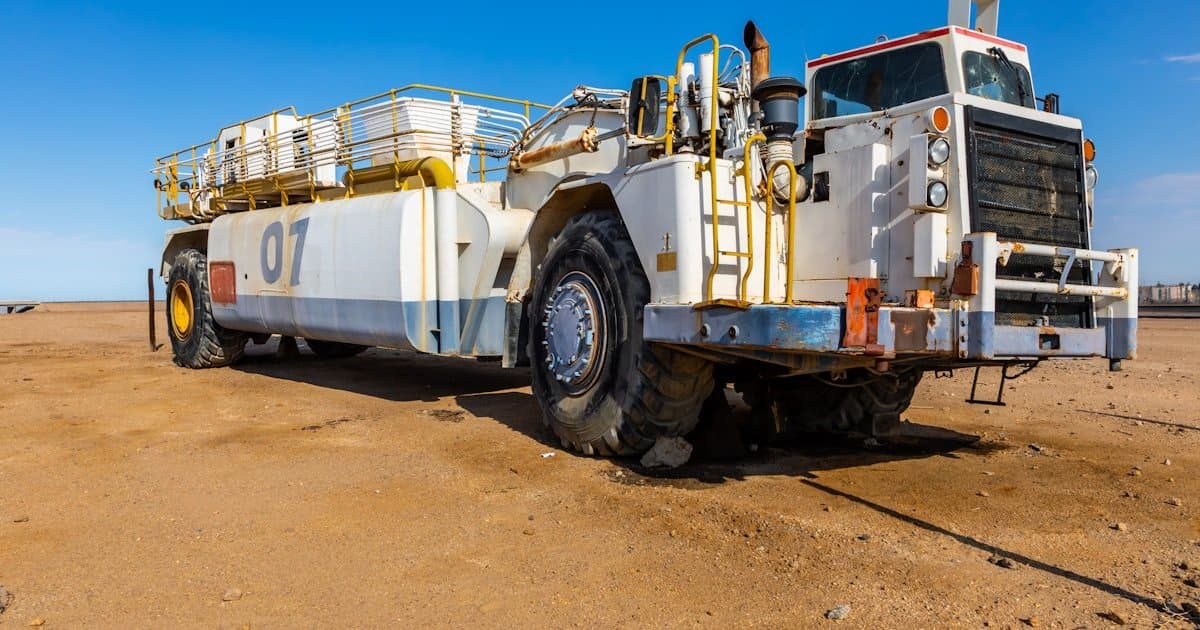
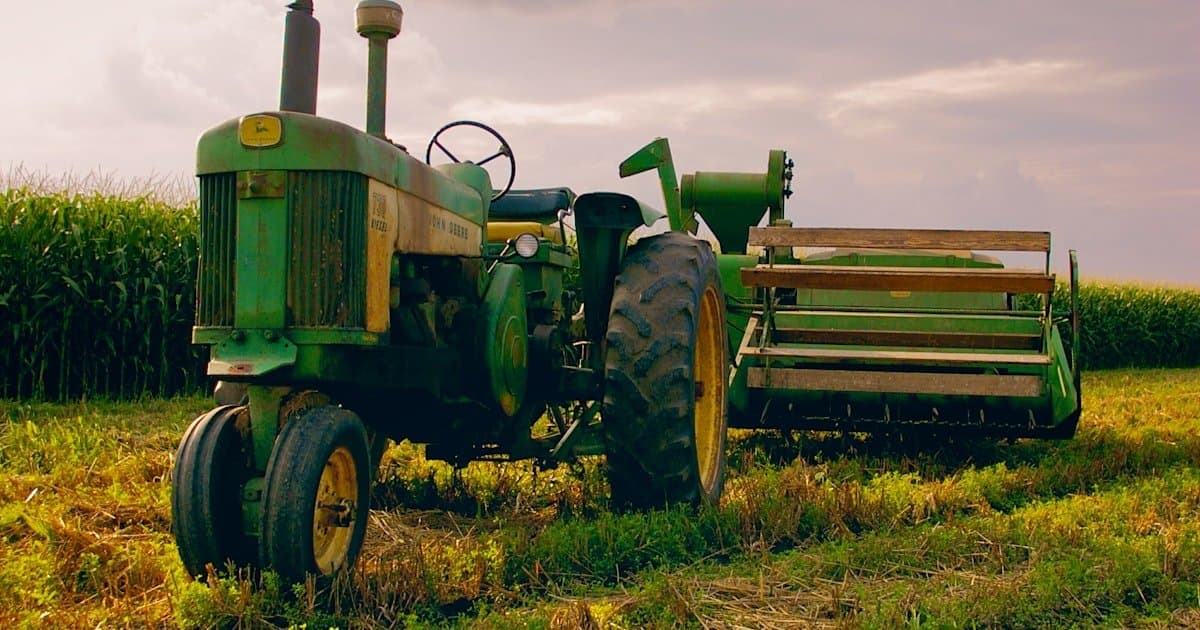
Farm machinery is some of the most valuable, most mobile and hardest-to-supervise equipment any business owns. A single tractor or harvester can cost more than a fleet of vans, yet it spends its days spread across fields, tracks and remote holdings where no one is watching. Agriculture vehicle tracking puts eyes on all of it, turning tractors, harvesters, trucks and even trailers into assets you can locate, protect and run efficiently from one screen.
This guide covers what agricultural vehicle tracking does, the problems it solves on a working farm, which machines it covers, how the hardware is fitted, and the order most farms roll it out in.
The short answer
Agriculture fleet tracking does three jobs. It protects machinery that sits unattended in open fields, using geofences, out-of-hours alerts and remote engine cut. It controls diesel, by exposing both siphoning and the idling that quietly burns it. And it records machine hours and field work, so planning during a harvest window is based on what actually happened rather than what everyone remembers.
The part that differs most from road fleets: an agricultural fleet is a mixture of powered machines, road-going trucks and unpowered implements, so any system you choose has to track things with no engine at all.
Why agricultural vehicle tracking is different
Agriculture fleet tracking is not the same job as tracking delivery vans in a city. The vehicles are high-value and slow to replace, they work across scattered plots with poor mobile coverage, and they are often left overnight in the open. Theft of both machinery and fuel is a serious, recurring cost, and downtime during a harvest window can cost far more than the equipment itself.
The underlying technology is the same fleet management foundation used everywhere else, live GPS, geofencing, alerts and reporting, but the priorities shift toward security, fuel control and making the most of every hour a machine is in the field.
There is a second difference that matters when you compare products. A road fleet is mostly one kind of vehicle doing one kind of work. An agricultural fleet is a mixture: self-propelled machines, road-going trucks, utility vehicles, and implements and trailers with no engine at all. Agricultural fleet tracking has to cover all four, which is why the ability to track unpowered assets on battery devices matters more here than it does in most industries.
A third difference is seasonal. Most fleets run at a fairly even pace all year. A farm has a few weeks where every machine hour is decisive and a long stretch where the same machines sit still. That shape changes what you need from the software at different times of year, and it is covered further down.
The main problems agriculture fleet tracking solves
Machinery theft and recovery
Tractors, quad bikes and implements are prime targets because they are valuable, portable and often unattended. GPS tracking gives you an instant alert when a machine moves out of hours or leaves its geofenced boundary, and live location to hand to the authorities for recovery. Remote engine cut adds a hard stop: an unauthorised machine can be immobilised so it cannot be driven or trailered away. See how remote immobilisers work for the detail.
Fuel theft and waste
Diesel is a large line item on any farm, and it disappears in two ways: siphoning from tanks and machines, and simple waste through excessive idling and inefficient routes across fields. Tracking exposes both. Trip and idle reports show a harvester left running for hours, while movement and usage patterns flag fuel drawn when a machine should not be active. If fuel loss is your biggest headache, our guides to reducing fuel theft, fuel monitoring and cutting idling go deeper.
Utilisation and scheduling
During planting and harvest, machine hours are everything. Tracking shows which equipment is working, which is sitting idle, and how long jobs actually take, so you can balance the fleet across fields and avoid a bottleneck holding up the whole operation.
Proving work on contract and shared machinery
Many farms hire equipment in, share machines with neighbouring holdings, or run contracting work on other people’s land. In all of those cases the argument is about hours and acres. An independent record of which field a machine worked, for how long and how far it travelled turns a memory-and-goodwill exercise into an exportable report.
Maintenance that follows hours, not dates
Farm machinery wears by engine hours and load, not by the calendar, and a service missed in the middle of harvest is the expensive kind. Hour readings pulled automatically from each machine let servicing be scheduled on real use. Our guide to fleet maintenance management covers how to run that without a spreadsheet.
Which farm machines it covers
“Agricultural vehicle tracking” is a single phrase covering quite different machines, and they are not all tracked the same way.
| Machine | What tracking is mainly for | Typical fitting |
|---|---|---|
| Tractors | Theft protection, engine hours, field work records | Hardwired, so remote engine cut is available |
| Combine harvesters | Utilisation during a short window, idling, security | Hardwired |
| Sprayers and spreaders | Which field was worked and when, for records | Hardwired |
| Telehandlers and loaders | Yard security and hours | Hardwired |
| Quad bikes and ATVs | Theft, and locating them across a large holding | Hardwired or battery |
| Road-going trucks and pickups | Fuel, driver behaviour, deliveries on public roads | Hardwired or plug-in |
| Trailers, balers and implements | Theft and simply knowing where they are | Battery, wakes on movement |
| Fuel bowsers and water tanks | Theft, and confirming they reached the right field | Battery |
The unpowered half of that list is where farms are most often caught out. Implements are easy to move, hold their value, and are usually the last things anyone thinks to track. See asset tracking systems and trailer tracking for how battery units handle them.
Key features for farm fleets
| Feature | Value on the farm |
|---|---|
| Live GPS tracking | Locate every tractor, truck and machine across scattered holdings. |
| Geofencing | Ring-fence fields, yards and boundaries; get alerts on out-of-area movement. |
| Remote engine cut | Immobilise stolen machinery so it cannot be driven or towed off. |
| Trip history & reports | Measure machine hours, idling and field coverage for planning. |
| Smart alerts | Out-of-hours movement, ignition-on and geofence breaches, instantly. |
| Driver scoring | Curb harsh use and speeding on road-going farm vehicles. |
| Battery asset trackers | Cover trailers, implements and equipment with no power of their own. |
| iOS & Android apps | Check the whole operation from the field, not a farm office. |
Field records: proving which field was worked, and for how long
This is the capability farms ask for that road fleets never need. Once each field is drawn as a geofence, entry and exit times become an automatic record of which machine worked which block and for how long. That record answers several arguments at once: what a contractor is owed, whether a job took as long as it was quoted at, and which fields consistently take more machine hours than they should.
It is worth setting this up properly at the start of a season rather than during it. Draw the fields once, name them the way your team already names them, and the reports afterwards need no translation. Our guide to geofencing for fleets covers the mechanics.
Mixed-brand fleets and machines with built-in systems
Most farms do not run one brand. Machines are bought over years, second hand and new, and the newer ones often arrive with a manufacturer’s own telematics built in. That leaves two systems reporting to two places, and the older machines and implements reporting to neither.
The practical approach is to treat the independent tracking layer as the one that covers everything, so the whole yard appears on a single map regardless of badge or age. Fleetile works with over 200 GPS devices and has no hardware lock-in, so units already fitted to your machines can usually keep reporting rather than being replaced. If you are choosing hardware from scratch, see how to choose a GPS tracking device.
Agricultural vehicle tracker installation
Installation is the part farms ask about most, because agricultural machines are not cars and the usual answers do not apply. There are three fitting methods, and most farms end up using all three across the yard.
- Hardwired units are wired into the machine’s electrical system. This is the standard choice for tractors, harvesters and anything high-value, because the unit is hidden, draws power continuously and is difficult to remove in a hurry. Remote engine cut requires this type of fitting.
- Plug-in units go into a diagnostic port where the machine has one. They take seconds to fit and can be moved between vehicles, which suits road-going trucks and utility vehicles rather than field machinery.
- Battery units have no power connection at all. They wake on movement and are used on trailers, implements, bowsers and anything else with no engine to draw from. A unit on an implement that sits in a shed for weeks uses very little battery.
Fitting is done by an installer rather than by farm staff, and a managed provider supplies the device, the SIM and the installation together. That matters when your team’s expertise is agriculture, not telematics. Machines still under manufacturer warranty should be fitted by someone who knows where it is safe to take power from, which is the main reason to use an installer rather than doing it in the workshop.
Two practical points that come up on nearly every farm install. Plan fitting for the quiet season, because a machine on a ramp during harvest is a machine not working. And keep a note of which unit went on which machine, because a yard of identical trailers with identical battery units becomes confusing quickly.
How a farm typically rolls it out
You do not have to fit everything at once. A sensible order:
- Start with the highest-value, highest-risk machines, tractors, harvesters and anything left in the open overnight.
- Draw geofences around fields, the main yard and property boundaries so any out-of-area movement is flagged automatically.
- Turn on out-of-hours and unauthorised-movement alerts, the biggest early win for theft prevention.
- Add road-going trucks and utility vehicles for fuel and driver oversight on public roads.
- Cover trailers and implements with battery units once the powered machines are done.
- Review reports weekly during peak season to rebalance machines and cut idling.
What the system is doing through the season
The same platform earns its keep differently at different times of year, which is worth knowing before you judge it in a quiet month.
- Before the season: confirm every machine is reporting, refresh field geofences for the new cropping plan, and schedule servicing against the hours each machine actually ran last year.
- Planting and harvest: this is when utilisation reporting matters most. Watch idle time and machine hours daily rather than weekly, and use field records to see which blocks are running behind.
- Between seasons: security becomes the main job. Machines sitting still for weeks are exactly what thieves look for, so out-of-hours movement alerts on a quiet yard are the highest-value thing the system does all year.
Security first: protecting irreplaceable assets
For most farms, the standout benefit is asset protection. A stolen harvester mid-season is not just an equipment loss; it can stall an entire operation on a tight weather window. The combination that makes tracking genuinely protective rather than merely observational is geofencing (know the moment something moves), smart alerts (find out instantly, day or night) and remote engine cut (stop the machine from going anywhere). For a broader look at defending vehicles and equipment, see how fleets prevent vehicle theft.
The same visibility helps with insurance and disputes too. Timestamped trip history proves where a machine was and when it was used, useful for claims, contractor billing and settling any question about hours worked.
What agriculture fleet tracking costs, and how farms justify it
Pricing is per tracked machine, and the honest answer is that it depends on how many machines you fit and whether hardware and installation are included. What is more useful than a number is knowing where the payback comes from on a farm specifically: recovered or prevented machine theft, diesel that stops disappearing, and machine hours that stop being guessed at during the weeks when they decide the year.
Most farms do not fit the whole yard at once, which keeps the first invoice small and lets the system prove itself on the machines that matter most. Our guide to what fleet GPS tracking costs sets out the components, and fleet tracking ROI covers how to measure the return once it is running.
Bringing it together
Agriculture vehicle tracking earns its place by doing three jobs at once: it protects irreplaceable machinery from theft, it clamps down on the diesel that quietly bleeds away, and it gives you the machine-hours data to run a tight operation when every field hour counts. The Fleetile platform brings all of that into one live map with managed hardware, so the technology stays out of your way and the results show up in the field.
Frequently asked questions
What is agricultural vehicle tracking?
It is GPS tracking applied to farm machinery and the vehicles that support it. A device fitted to each machine reports its location and activity to software, so tractors, harvesters, trucks, trailers and implements can be located, protected against theft and measured for hours worked from one screen.
What is the difference between agriculture fleet tracking and normal vehicle tracking?
The technology is the same; the priorities are not. Road fleets optimise routes and delivery times. Farm fleets prioritise theft protection, diesel control and machine hours, and they have to cover implements and trailers that have no engine to power a tracker.
Will GPS tracking work in remote fields with weak signal?
Modern trackers store location data when coverage drops and transmit it once signal returns, so you still get a full trip history. Live updates depend on the mobile network, but the record of where a machine has been is preserved even in patchy-coverage areas.
Can I stop a stolen tractor remotely?
Yes. With remote engine cut, an unauthorised machine can be immobilised so it cannot be driven or trailered away, and live location helps you and the authorities recover it quickly.
Does tracking help with fuel theft on the farm?
It does. Trip and idle reports reveal machines running when they should not be, and movement patterns flag activity that does not match legitimate work, both common signs of fuel being drawn or wasted.
Can I see which field a machine worked in?
Yes, once each field is drawn as a geofence. Entry and exit times then become an automatic record of which machine worked which block and for how long, which is what contractor billing and job costing usually come down to.
Do I need special hardware for farm machinery?
A GPS device is fitted to each machine. A managed provider supplies the device, SIM and installation, so you do not need any in-house technical setup to get started. Fleetile also works with over 200 GPS devices and has no hardware lock-in, so units already fitted to your machines can usually keep reporting.
Can I track trailers and implements that have no engine?
Yes, using battery-powered asset trackers that wake on movement rather than drawing power from the machine. This is how most farms cover trailers, bowsers, balers and other implements that would otherwise be invisible.
What if my newer machines already have the manufacturer’s own tracking?
That is the normal situation on a mixed-age farm. An independent tracking layer covers every machine regardless of brand or age, including the older ones and the implements, so the whole yard appears on one map instead of split across systems that do not talk to each other.
Does fitting a tracker affect machinery warranty?
Not when it is fitted properly. Use an installer who knows where it is safe to take power from on agricultural machines rather than fitting units in the workshop, and keep the installation record with the machine’s paperwork.
See it on your farm fleet
The best way to judge agriculture fleet tracking is to watch it run on real machines. Get a Fleetile demo and see live tracking, geofencing and theft protection working across a working fleet.