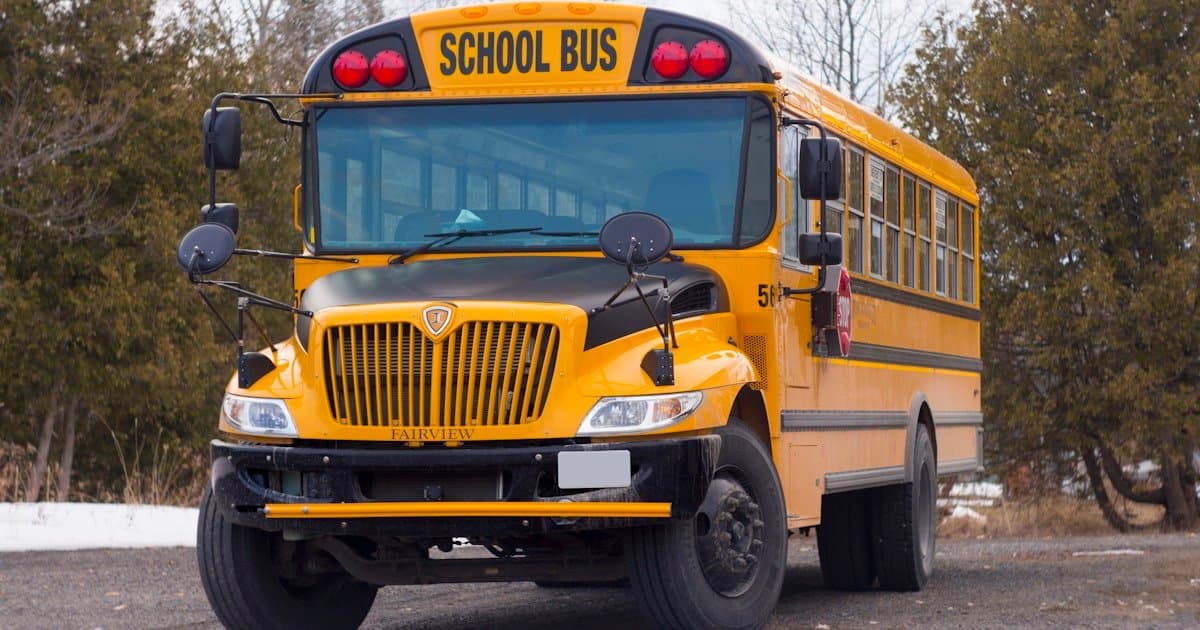
When a vehicle carries a load of parcels, tracking is about efficiency. When it carries children, tracking is about safety - and the stakes change completely. School bus GPS tracking gives operators, schools and parents a live view of exactly where a bus is, how it’s being driven, and whether it’s running to schedule. This guide explains what tracking does for school and passenger transport, the features that matter most, and how it turns anxious phone calls into quiet confidence.
Why school bus GPS tracking matters
Passenger transport carries a duty of care that ordinary freight doesn’t. A late or missing bus isn’t a logistics problem; it’s a worried parent and a school office fielding calls. GPS tracking answers the core questions before anyone has to ask them: Where is the bus right now? Is it on route? Is it being driven safely? Did it reach every stop?
Beyond reassurance, tracking creates accountability. Every journey is recorded, so if there’s ever a dispute about timing, routing or an incident, there’s an objective record instead of conflicting memories. That protects the operator, the driver and the passengers alike. It also underpins good management: with data on how each route runs day to day, an operator can spot chronic lateness, a stretch of road that always causes delays, or a driver whose scores drift over time - and act before a small problem becomes a complaint.
The features that matter most for passenger transport
Not every fleet feature carries equal weight when children and passengers are aboard. These are the ones that count:
| Feature | What it does for passenger transport |
|---|---|
| Live GPS tracking | Shows the bus’s exact position and speed in real time, so schools and dispatchers always know where it is |
| Geofencing | Draws zones around stops, schools and depots and alerts when the bus arrives or leaves |
| Speed & camera alerts | Warns on overspeeding and fixed speed cameras - critical with passengers aboard |
| Driver scoring | Grades harsh braking, acceleration and speeding so you can coach for a smoother, safer ride |
| Trip history | Keeps a replayable record of every route for accountability and dispute resolution |
| Smart alerts | Instant notifications for route deviations, unexpected stops and after-hours movement |
Keeping students safe on the route
Safety on a passenger route comes down to how the bus is driven and whether it stays where it should be. Two features do the heavy lifting here.
Geofencing lets you draw a zone around every stop and the school itself. When the bus enters or leaves a zone, the platform can fire an alert - so a school office knows the bus has arrived, and a deviation from the expected route is flagged immediately rather than discovered later. If you’re new to the concept, our explainer on geofencing for fleets covers how it works in detail.
Driver scoring and speed alerts address the way the bus is actually driven. Overspeeding and harsh manoeuvres are exactly what you don’t want with children aboard, and scoring turns those behaviours into an objective measure you can act on. Combined with speed-camera alerts, drivers get a nudge to stay within limits, and operators get evidence of who needs coaching. It’s the same discipline covered in our guide to driver behaviour monitoring, applied where it matters most.
Peace of mind for parents and schools
The clearest benefit of school bus tracking is confidence for the people waiting at the other end. When a bus runs late, a dispatcher can see why - traffic, a delayed departure, a longer stop - and give parents a real answer instead of a shrug. When a route changes, everyone works from the same live picture rather than a patchwork of phone calls. And because a platform like Fleetile offers iOS and Android apps, staff can check the fleet from a phone rather than being tied to a desk, which matters most exactly when things go wrong and nobody is sitting at a computer.
A tracking programme for passenger transport typically delivers:
- Real-time answers to “where is the bus?” without calling the driver.
- Arrival awareness at stops and schools through geofence alerts.
- Safer driving via scoring and speed alerts on every journey.
- A complete record of routes and timings for accountability.
- Faster response when something goes off-plan, from a breakdown to a route deviation.
Choosing a tracking setup for passenger transport
For a school or transport operator, the practical concern is getting reliable tracking installed without a technical headache. A managed provider supplies the GPS device, the data SIM and professional installation, so the buses come back fitted and ready and you simply use the dashboard and apps. When comparing options, look for the safety-critical features above - live tracking, geofencing, driver scoring and speed alerts - rather than the longest feature list. If you’re weighing a proper fleet platform against a basic consumer device, our comparison of fleet GPS tracking versus car trackers is a useful read, and you can always talk specifics with the Fleetile team.
Frequently asked questions
How does GPS tracking make school buses safer?
It combines live location with driver scoring and speed alerts, so operators can see where every bus is and how it’s being driven. Geofencing around stops and schools flags arrivals and route deviations, and a full trip record adds accountability for every journey.
Can staff or schools see the bus location in real time?
Yes. Authorised staff can view live position and speed on a dashboard or through iOS and Android apps, so there’s no need to phone the driver to find out where a bus is or whether it’s on schedule.
What happens if a bus leaves its planned route?
With geofencing and route-deviation alerts, the platform notifies dispatchers the moment a bus leaves an expected zone or route, so they can respond immediately rather than finding out after the fact.
What hardware do school buses need?
Each bus needs a GPS tracking device with a data SIM. A managed provider supplies the device, SIM and professional installation together, so operators only interact with the software and apps.
See safer passenger transport in action
The best way to judge tracking for buses is to watch it live. Get a Fleetile demo and see live location, geofence alerts, driver scoring and speed alerts working together to keep passengers safe.