A parcel can travel hundreds of kilometres cheaply and then consume a disproportionate share of its total delivery cost in the final few. That final leg is where the vehicle stops constantly, where traffic and parking eat the schedule, where addresses turn out to be wrong, and where the customer is not home. Last mile delivery tracking is how delivery operations get control of it, by making every stop visible, every arrival provable and every ETA honest. This guide covers what to track, what it fixes and how to measure whether it worked.
Why the last mile is so expensive
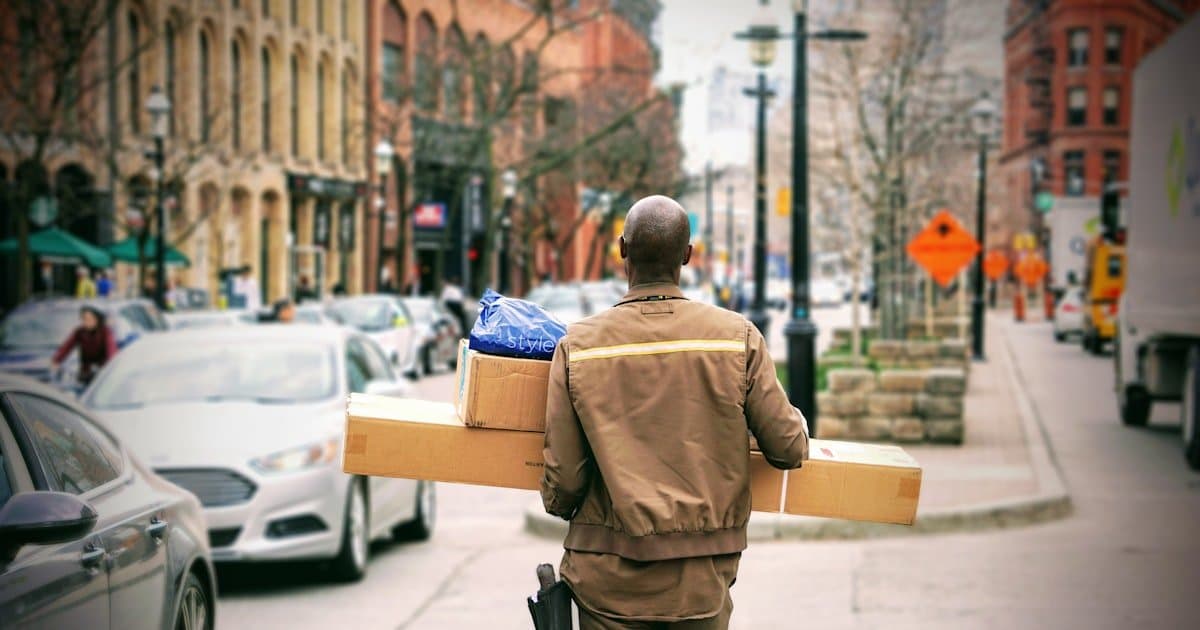
The economics are simple. On a trunk route, one driver moves a full load between two points. On the last mile, the same driver makes dozens of individual stops, each with its own approach, parking problem, walk to the door and possible failure. Cost per parcel rises steeply as drops become smaller and more scattered.
Three costs dominate, and all three are visibility problems before they are logistics problems:
- Failed deliveries, where the customer is absent and the parcel must be carried again another day, effectively doubling the cost of that drop.
- Support load, from customers calling to ask where their delivery is, which is pure overhead.
- Overtime, when routes planned optimistically run past the shift.
What last mile tracking actually gives you
Live position and honest ETAs
The most valuable output of last mile tracking is not the map, it is the estimated arrival time derived from it. A customer told a realistic window is far more likely to be present, which directly reduces failed deliveries. An ETA based on live position and real travel times is honest; one based on a plan made at 6am is a guess that gets less accurate all day.
Proof of arrival, automatically
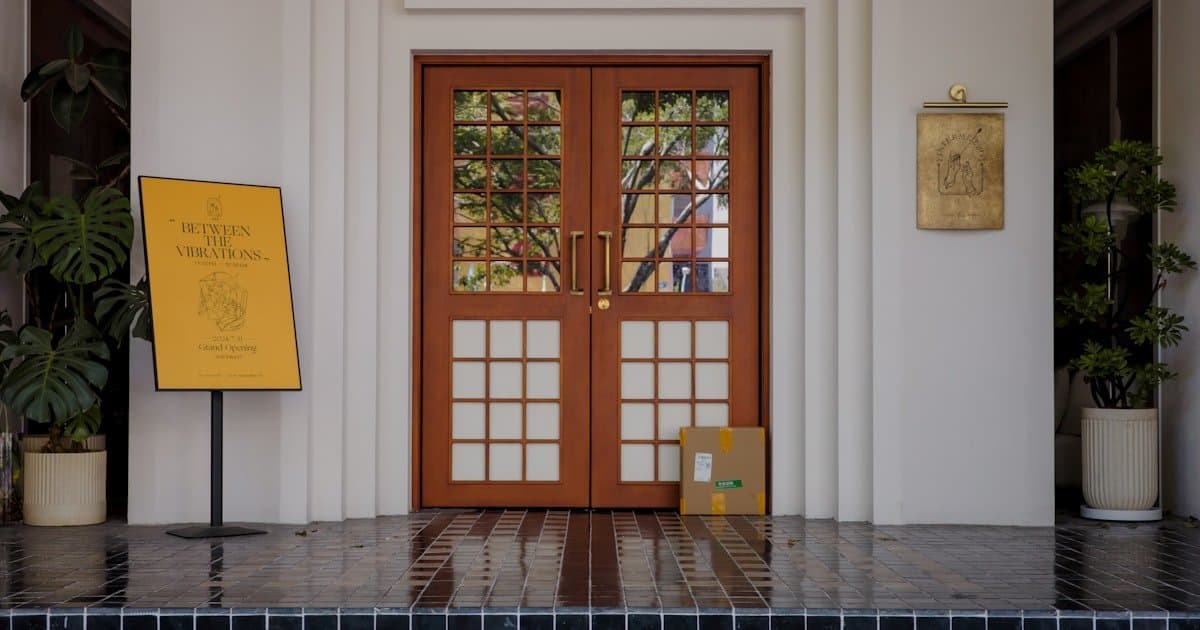
Geofences around delivery addresses record arrival and departure without the driver doing anything. That produces an objective record of when the vehicle was at the door, which settles the most common delivery dispute of all: the customer who says nobody came. The mechanics are covered in geofencing for fleets.
Real service times per stop
How long a drop actually takes varies enormously between a ground-floor shop and a fifth-floor apartment. Tracking captures the real figure per address, which feeds directly back into planning. This is the single biggest input to realistic routing, as described in route optimization for delivery fleets.
Fewer “where is my order” calls
Every customer who can see where their delivery is does not call to ask. For high-volume operations this alone can justify the system, because support calls scale with parcels while a tracking platform does not.
The metrics that tell you it is working
| Metric | What it shows |
|---|---|
| First-attempt delivery rate | The headline measure of last mile efficiency |
| Stops per hour | Route quality and realistic scheduling |
| Average service time per stop | Where time actually goes at the door |
| On-time rate against the promised window | Whether your ETAs are honest |
| Distance per parcel | Routing efficiency, independent of volume |
| Failed delivery reasons | Which failures are fixable and which are not |
First-attempt delivery rate deserves the most attention, because every failure costs a second journey. Improving it usually means better ETAs and better address data rather than faster driving, which makes it one of the safest levers available.
Motorcycles, vans and mixed fleets
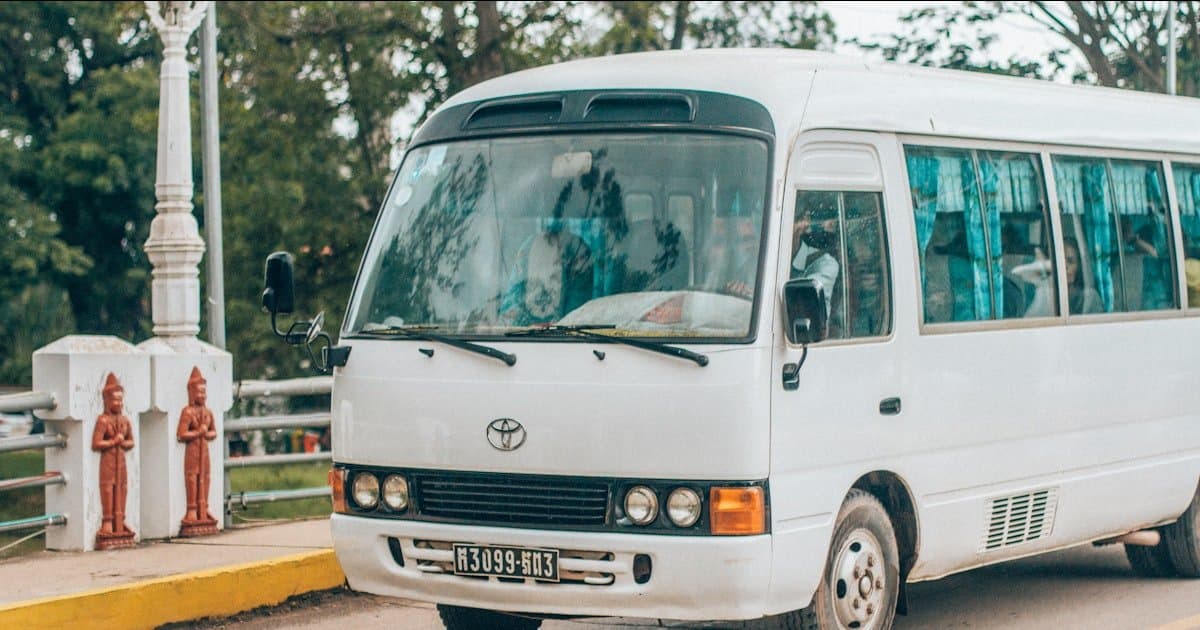
Last mile operations increasingly run mixed fleets, with motorcycles handling dense urban drops and vans handling bulkier loads. Tracking has to cover both on one map, otherwise dispatch cannot see which unit is genuinely closest to a new order. Motorcycles bring their own considerations, particularly around theft, which we cover in the guide to the motorcycle GPS tracker.
Dispatch is where a mixed fleet either works or does not. Assigning by live position rather than by whose turn it is, or by who the dispatcher happens to remember, is the difference between a fleet that absorbs an unexpected order and one that delays three others to fit it in.
Practical steps to improve the last mile
- Measure your first-attempt rate honestly, broken down by area and time of day.
- Replace planned service times with recorded ones, so routes stop being optimistic fiction.
- Give customers a real ETA derived from live position, and narrow the window only as far as you can actually deliver.
- Geofence delivery points so arrival is recorded without driver input.
- Review failed deliveries weekly and separate the fixable causes from the genuinely unavoidable ones.
- Feed everything back into planning monthly, so each cycle of routes is built on better data than the last.
The reporting behind this, live tracking, geofenced timings, trip history and stop analysis, sits together on the Fleetile platform, and the wider cost picture is covered in GPS tracking for logistics and delivery fleets.
Frequently asked questions
What is last mile delivery tracking?
It is the tracking of vehicles and riders during the final leg of a delivery, from the local depot to the customer’s door. It combines live vehicle position, geofenced arrival records at each stop, and estimated arrival times shared with the customer.
How does tracking reduce failed deliveries?
Mainly through better arrival estimates. A customer given a realistic, live-updated window is far more likely to be available, and a failed delivery avoided saves an entire second journey. Recorded arrival times also resolve disputes about whether an attempt was actually made.
Does last mile tracking work for motorcycle fleets?
Yes, and motorcycles are common in dense urban delivery precisely because they handle congestion and parking better. The same live tracking, geofencing and dispatch tools apply, with theft protection carrying extra weight because bikes are easier to steal.
What is a good first-attempt delivery rate?
It varies widely by area type, customer mix and delivery model, so your own trend matters more than any external benchmark. Establish a baseline, break it down by area and time slot, and work on the segments that underperform your own average.
Can customers see the delivery vehicle’s location?
Many operations share a live view or a narrowing ETA with the recipient, which reduces support calls and improves the chance someone is there to receive the parcel. How much detail to share is a business decision, and an arrival window is often sufficient without exposing the vehicle’s full route.
Fix the most expensive leg
The last mile rewards visibility more than any other part of the delivery chain. Get a Fleetile demo and see live tracking, geofenced arrivals and stop reporting working on one screen.