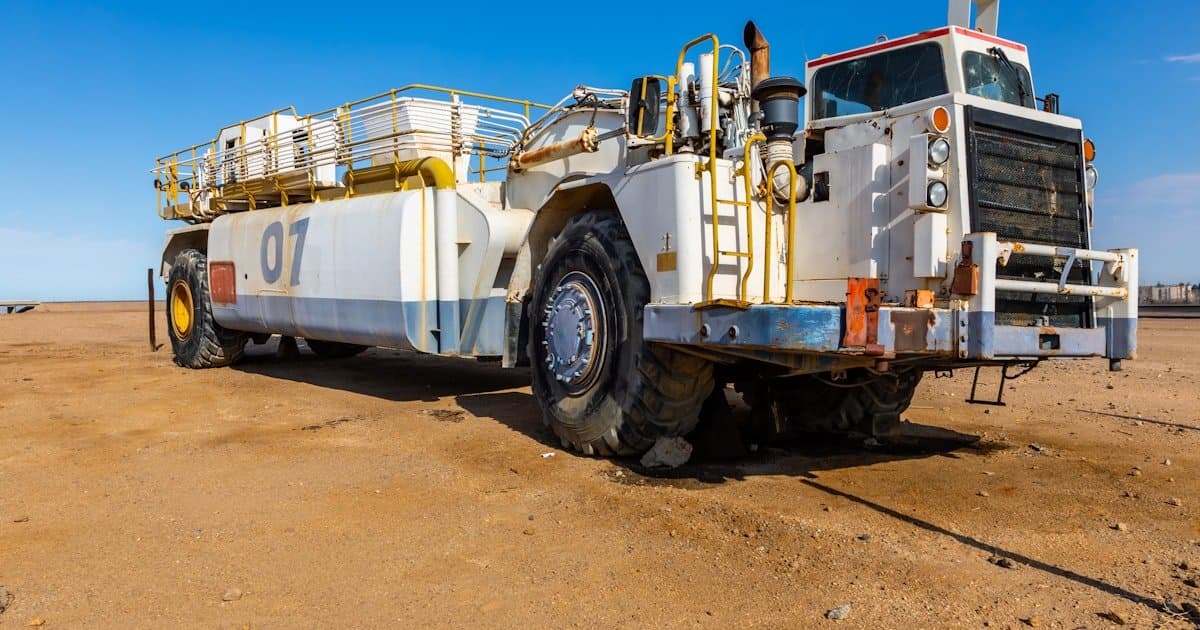
If you own a dumper or a water tanker in Karachi, a working tracker is no longer optional. Since November 2025, traffic police have said that any dumper or tanker running without tracker access for the police will be seized at roadside checks. A dumper tracker Karachi police cannot see is, for enforcement purposes, the same as no tracker at all.
The rules did not arrive in one order. They built up through 2025 and 2026 from several offices, usually after a serious crash, which makes them easy to misread.
This guide sets out what has been reported and what to check before sending a truck out. Rules change often, so confirm the current position with the traffic police and the transport department.
How the Rules Built Up in 2025
The first step came in February 2025. DIG Traffic Pir Muhammad Shah directed that dumpers carry front and rear cameras and a tracker that traffic police would monitor from their control room, with challans for dumpers going over 60 km/h. The same month, the Sindh government said every heavy vehicle in Karachi must carry a fitness certificate, and gave owners 30 days to get one.
In April 2025, after talks that ended a goods transporters’ strike, the Karachi commissioner made cameras and trackers mandatory for heavy vehicles, including dumpers, water tankers and oil tankers. The reported terms were:
- Three cameras: one at the front, one at the rear and one inside the cab to watch the driver.
- Trackers: with recordings accessible at the DIG Traffic office.
- Side guardrails: fitted along the wheels.
- Fitness: transporters agreed to bring vehicles up to fitness standard within three to six months.
By early May 2025, the Sindh government reported trackers in 3,391 water tankers but only 28 dumpers.
Dumper Tracker Karachi Rules: The November 2025 Ban
On 15 November 2025, a dumper without a tracker hit a rickshaw in Razzakabad, killing its driver. Traffic police then banned dumpers and water tankers from city roads, with one exemption: vehicles whose owners have given traffic police access to their tracker. Even those, police said, may run only during scheduled hours.
The key point is access. Police said many owners had fitted trackers but never shared control, and those vehicles face seizure too. Reports also said trackers must stay linked to the police Traffic Regulation and Citation System (TRCS), and that trackers which are unregistered or inaccessible will face action. The dumper in the Razzakabad crash received a Rs100,000 e-challan, reported as the highest issued so far.
What This Means for a Water Tanker Tracker in Karachi
Water tankers face the same tracker access rule as dumpers, plus a second layer. In June 2026, the Karachi mayor announced a barcode system for all registered water tankers. Scanning a tanker’s barcode shows the driver’s name and photo, its designated route, its fitness certification and the source of the water.
So a water tanker tracker Karachi police can see is only part of the picture. The tanker also needs to be registered, carry a valid fitness record and stay on its listed route. If you also run fuel tankers, our guide to fuel tanker tracking covers the safety side.
Fitness Certificates and Route Permits Have Gone Digital
The heavy vehicle tracker requirement Sindh has set sits alongside paperwork rules that are just as strict. In April 2026, the Sindh Transport and Mass Transit Department set 30 June 2026 as the deadline to digitise route permits and fitness certificates for commercial vehicles. After that date, manual documents would no longer be accepted, and vehicles relying on paper could be treated as non-compliant.
If your documents are still on paper, check with the transport department. The deadline has passed and we found no report of an extension.
Is There a Police Approved Tracker in Karachi?
Owners often ask for a police approved tracker Karachi traffic police will accept. The reports we found describe the requirement as a tracker that is registered with and accessible to the traffic police, linked to TRCS. None of them name an approved device list or a set of approved companies.
In practice, that means:
- Ask the traffic police first: find out what access they need and how to register your vehicle.
- Ask your tracking provider: whether they can set up the access the police ask for.
- Keep proof: record when and how access was given, in case a vehicle is stopped.
Do not rely on any seller’s claim of “police approval” without confirming it with the traffic police yourself.
Timings and Speed Limits Keep Changing
Heavy vehicle timings and speed limits in Karachi have been changed several times since 2025, and temporary bans happen. In August 2026, traffic police closed the city to heavy vehicles for two days for Eid Milad-un-Nabi processions. Check the current notice before planning shifts.
How a Tracker Helps Beyond Compliance
A dumper tracker Karachi police can monitor also gives you, the owner, a record. A tracking platform can show where each vehicle is, alert you to speeding and keep trip history you can replay after an incident.
Useful features to set up from day one:
- Overspeeding alerts: set below the limit so you catch habits before a challan.
- Route playback: replay a trip to see exactly what happened and when.
- Geofences: get alerted when a tanker leaves its route or a dumper enters the city at the wrong hour.
- Cameras: the April 2025 terms asked for three, and our guide to fleet dashcams explains what they add.
Fleetile offers GPS tracking in Karachi with live tracking, alerts, trip history and reports on iOS and Android.
Frequently Asked Questions
Can traffic police seize a dumper that has a tracker?
Yes. Police said in November 2025 that dumpers and tankers without tracker access for the police will be seized, even if a tracker is fitted.
Do water tankers need a tracker in Karachi?
Yes. The November 2025 ban covered water tankers as well as dumpers, and registered tankers now also carry a barcode showing their route and fitness record.
Which tracker do Karachi traffic police accept?
The reports we found do not name approved devices or companies. They say the tracker must be accessible to the traffic police and linked to TRCS, so confirm the exact steps with the traffic police before you buy.
Are the rules the same across Sindh?
The tracker access orders reported so far come from Karachi’s traffic police and commissioner. The digitisation rules come from the Sindh transport department. Outside Karachi, check with your local traffic police.
Want trackers your dumpers and tankers can use for more than a checkpoint? Get a demo of Fleetile and see live tracking, speed alerts and route playback on your own vehicles.