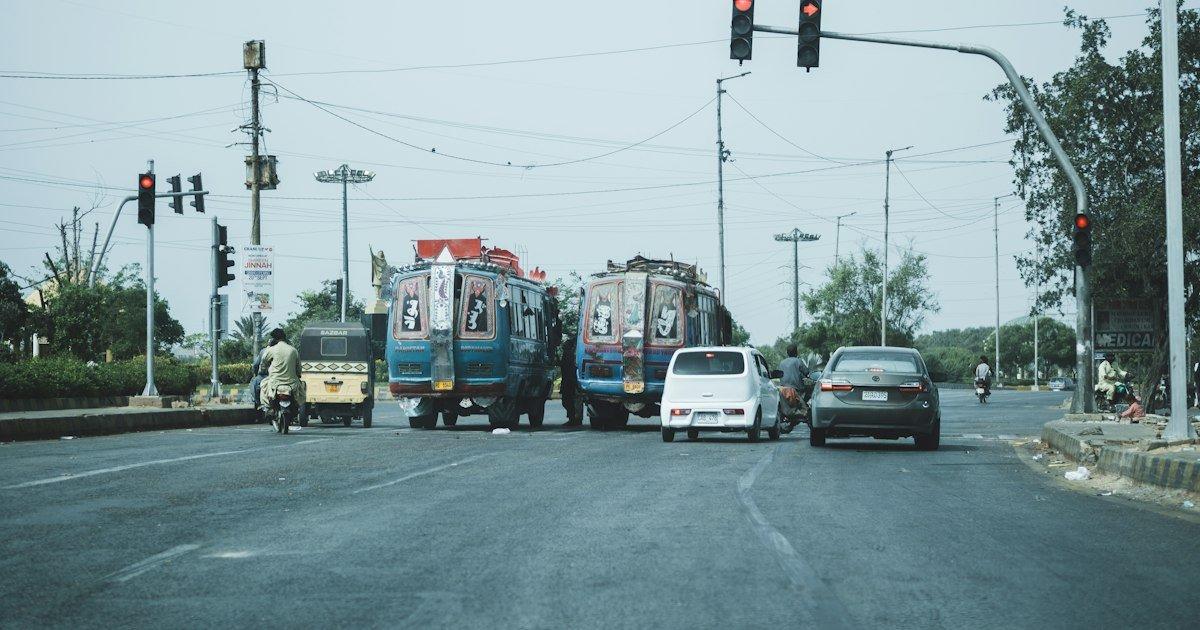
Karachi’s e-challan system has changed how traffic fines reach businesses. Cameras across the city now record violations automatically, and the challan is issued to the vehicle’s registered owner. For a company fleet, that owner is the company.
This puts fleet managers in a new position. A fine no longer ends at the roadside between a warden and a driver. It arrives later, in the company’s name, often days after the trip, when the driver may not even remember it. Without a clear process, these fines quietly turn into a recurring cost.
This article explains how the e-challan in Karachi applies to company vehicles, how responsibility should be handled inside your business, and how fleet tracking data helps you prevent fines and resolve disputes fairly.
How the E-Challan System in Karachi Works
The system relies on a network of cameras on major roads and intersections. These cameras detect common violations, including:
- Overspeeding
- Running a red signal
- Driving without a seatbelt
- Using a mobile phone while driving
When a violation is recorded, the challan is linked to the vehicle’s registration number and issued to the registered owner. Because there is no officer on the spot, there is no opportunity to explain the situation at the time. The record shows the vehicle, the location and the time, and the challan follows.
Pending challans can be checked through the official Sindh Police e-challan service using the vehicle’s registration number. For a fleet, this check should be a scheduled routine for every vehicle, not something done only after a notice arrives.
Who Pays for an E-Challan on a Company Vehicle?
Legally, the challan is issued to the registered owner, so the company receives it and is accountable for it. How that cost is handled internally is a policy decision, and most businesses follow one of three models.
Model 1: The company pays every fine
This is simple to manage, but it removes any incentive for drivers to change their behaviour.
Model 2: The driver pays every fine
This can seem fair, but it quickly leads to disputes if the company cannot prove who was driving at the time.
Model 3: The company pays first, then reviews the facts
If the driver was clearly at fault, the amount is recovered or recorded in their performance review. If the violation was linked to a company decision, such as an unrealistic delivery schedule, the company absorbs the cost.
The third model is the most balanced, but it depends on one thing: the ability to confirm quickly who was using the vehicle and what happened during the trip.
Whichever model you choose, document it and share it with every driver in advance. A policy that drivers first hear about when a fine arrives will always be seen as unfair.
Why Company Fleets Receive More Challans Than Necessary
In most fleets, frequent challans are not simply the result of careless driving. They usually point to operational problems:
- Tight delivery windows: when schedules leave no margin, speeding becomes the driver’s way of keeping up.
- Unfamiliar routes: drivers who are new to a road may not know where speed limits change or where cameras are placed.
- No feedback: if drivers are never shown their own driving records, they have no reason to adjust.
- Shared vehicles: when several people use the same vehicle, accountability becomes unclear.
Each of these issues can be addressed, and most of the solutions start with data the business already collects.
How to Prevent E-Challans Across Your Fleet
Set speed alerts below the legal limit
Many drivers rely on a speed camera alert app, but a camera warning only slows a driver down for a few hundred metres. A habit of speeding is still there on every other stretch of road. A better approach is a speed alert from your own fleet system. A GPS fleet tracking system can notify you as soon as a vehicle exceeds a speed you define, on any road. Setting the threshold slightly below the road limit helps you correct the habit before it results in a challan. Our guide to overspeeding alerts explains how to set them up.
Plan routes and schedules around real trip times
If a schedule only works when drivers rush, the schedule needs to change. Use actual trip durations from your trip history to set realistic delivery windows.
Share driving performance with each driver
A short weekly summary showing each driver their speed alerts, and the roads where they happened, is one of the most effective ways to improve behaviour. Drivers respond well to clear, objective feedback, which is the idea behind driver scoring.
Enforce seatbelt and phone rules through policy
A seatbelt e-challan fine is one of the easiest to avoid, yet it keeps appearing on fleet records. A GPS tracker cannot detect whether a driver is wearing a seatbelt or using a phone. These violations need a written policy, regular reminders at the start of each shift and consequences that are applied consistently.
Assign every vehicle to a named driver
Record which driver has which vehicle on every shift. This single practice resolves most disputes before they begin.
Review challans weekly
Do not wait for paper notices. A weekly check of every registration number allows you to raise issues while the trip details are still fresh.
What Your Fleet Data Reveals When a Challan Arrives
Every e-challan includes a date, time and location. With fleet tracking in place, you can match those details against the vehicle’s trip history.
On Fleetile, trip history shows where the vehicle was, the route it followed and its speed during the journey. Combined with your shift records, this helps you answer the key questions:
- Was the vehicle at that location at that time? If the trip history shows otherwise, you have a basis to raise the matter with the authorities.
- Who was driving? Your shift assignment provides the answer immediately.
- Is this a one-time event or a pattern? Repeated speed alerts on the same route point to a coaching need rather than a single mistake.
- Was the driver under pressure? If the trip shows a delivery squeezed into an unrealistic window, the cause may lie with planning rather than the driver.
This turns every challan into a decision based on evidence rather than opinion, which is what makes a fair internal policy possible. If your reports are piling up unread, see how to read your fleet reports and act on them.
Building a Fleet That Rarely Receives Challans
The aim is not to contest every fine. It is to make fines uncommon. Businesses that achieve this tend to follow the same approach: clear rules, regular feedback for drivers and consistent use of vehicle data as part of daily operations.
Speed alerts, geofences around regular routes and a weekly review of trip reports take little time once they are in place. The result is lower fine costs, safer driving and better control over how your vehicles are used.
Frequently Asked Questions
Who receives the e-challan for a company vehicle in Karachi?
The challan is issued to the vehicle’s registered owner. For a company fleet that is the company, so the business is accountable for it, whoever was driving.
Can a company recover an e-challan fine from the driver?
That depends on your internal policy. Many businesses pay the fine first, check the trip history and shift records, and recover the amount only when the driver was clearly at fault. Share the policy with drivers in advance.
Can a GPS tracker prevent a seatbelt e-challan fine?
No. A GPS tracker records location, route and speed, but it cannot see whether a seatbelt is fastened. Seatbelt and phone violations need a written policy and regular reminders.
How can fleet data help with a disputed challan?
Every challan has a date, time and location. Matching these against the vehicle’s trip history shows whether the vehicle was there, how fast it was moving and which driver was on shift.
See how it works for your fleet. Get a demo of Fleetile and our team will walk you through speed alerts, trip history and driver reports using a setup that matches your vehicles.