GPS tracking tells you where a vehicle was and how it was driven. Video telematics adds the missing piece: what actually happened. By pairing dashcam footage with the same GPS, speed and driver-behaviour data a tracking system already collects, video telematics turns a hard-braking alert or a collision from a data point into a clear, watchable event. This guide explains what it is, how it works, and where it earns its place in a fleet.
What is video telematics?
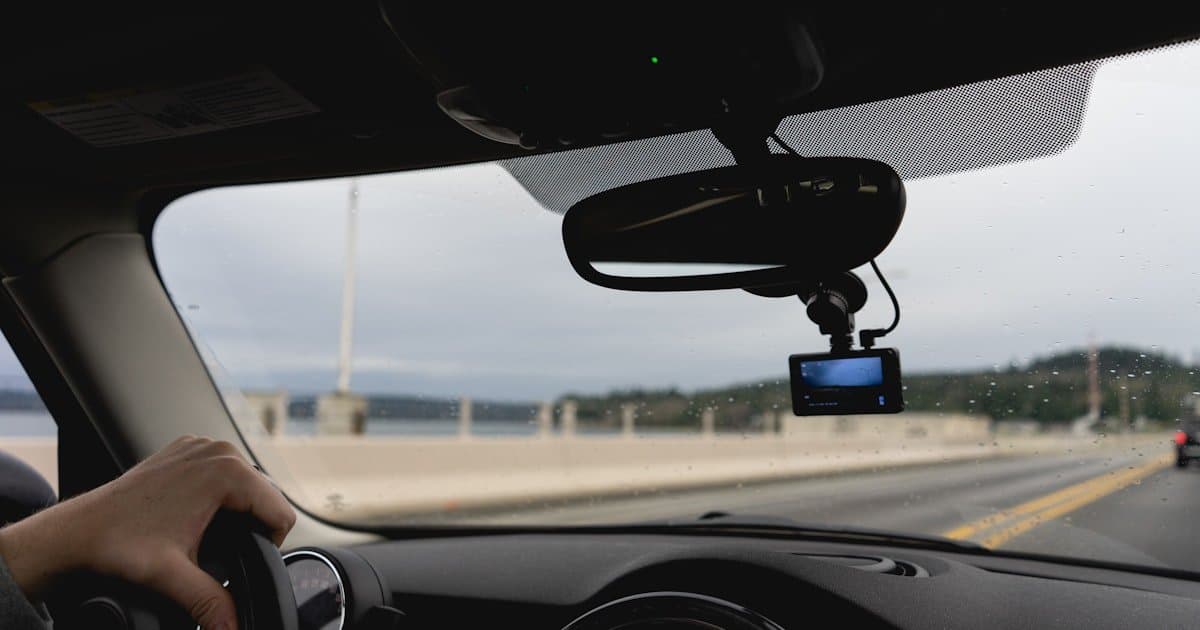
Video telematics is the combination of in-vehicle cameras (dashcams) with telematics data - GPS location, speed, harsh braking, cornering and acceleration. Instead of a camera that just records to a memory card, the footage is tied to the vehicle’s live data and the wider fleet platform, so an event on the map has video attached to it. It builds directly on the same telematics foundation that powers GPS tracking, adding a visual layer on top.
A plain dashcam answers “is there footage?” Video telematics answers “show me the footage from the moment that vehicle braked hard at 14:32 on the ring road” - automatically, without anyone digging through hours of recording.
How video telematics works
The pieces fit together in a straightforward chain:
- Cameras capture footage - typically a road-facing camera, and optionally a driver- or cargo-facing one.
- Telematics captures data - GPS position, speed and motion sensors detect events like harsh braking, sharp cornering or a collision.
- Events trigger clips - when the system detects a risky event, it tags the video for that moment so it can be reviewed without scrubbing through everything.
- Footage links to the platform - the clip sits alongside the trip, location and driver score, giving full context for what happened and why.
The result is that a manager reviewing a driver’s day sees not just a list of harsh-braking events, but the seconds of video around each one - instantly separating “swerved to avoid a child” from “following too close and not paying attention”.
Many systems keep a continuous loop of footage while flagging only the notable moments, so nothing important is lost but no one has to watch hours of ordinary driving. When an incident occurs, the relevant clip is already isolated and tied to the exact location, speed and driver on the map, ready to review or share in seconds rather than hunting through an SD card back at the depot.
Why fleets add video to tracking
Exonerating drivers and settling claims
The single most cited reason fleets adopt dashcams is protection against false or exaggerated claims. When a third party blames your driver, footage showing what really happened can settle liability quickly and prevent a costly, drawn-out dispute. In “crash-for-cash” and staged-accident scenarios, video is often the deciding evidence.
Coaching and safer driving
Numbers tell you a driver brakes hard; video shows you why. That context makes coaching fair and specific rather than accusatory, and it helps recognise good defensive driving as much as it flags bad habits. Combined with driver behaviour monitoring, video closes the loop between measuring risk and actually reducing it.
Fewer, cheaper accidents
Because drivers know footage is tied to their scores and events, behaviour tends to improve - and the coaching that video enables targets the specific habits that cause collisions. Fewer accidents means lower repair costs, less downtime and reduced insurance exposure. Video telematics is one of the more effective tools available to reduce fleet accidents.
GPS tracking vs video telematics
Video doesn’t replace tracking; it extends it. Here’s how the two compare:
| Capability | GPS tracking | Video telematics |
|---|---|---|
| Vehicle location | Yes | Yes (built on tracking) |
| Speed & route history | Yes | Yes |
| Harsh-event detection | Yes (as data) | Yes, with video of the event |
| Proof of what happened | Limited to data | Actual footage |
| Claims & liability defence | Partial | Strong visual evidence |
| Hardware & data cost | Lower | Higher (cameras + video storage) |
Is video telematics right for your fleet?
Video adds cost - more hardware per vehicle and more data to move and store - so it isn’t automatically the right call for every operation. It tends to pay off most when:
- Your vehicles spend a lot of time on busy roads where third-party incidents are likely.
- Insurance and claims are a significant, recurring cost you want to control.
- Driver safety is a priority and you want coaching to be evidence-based.
- You carry high-value loads or passengers where accountability matters.
For lighter operations, robust GPS tracking with strong driver scoring and 30+ smart alerts may already cover your needs - and video can be added later as the fleet grows. The right starting point depends on your risk profile, which is worth weighing alongside the wider platform features you’ll actually use day to day.
Getting the foundation right first
Whether or not you add cameras, the value of video telematics rests on the tracking underneath it - accurate GPS, reliable event detection and a platform that ties everything together. Get that foundation solid, use driver scoring and alerts to establish a safety baseline, and video becomes a powerful upgrade rather than a stack of disconnected footage. Start by seeing how the core system works on your vehicles with a quick demo.
Frequently asked questions
What is the difference between a dashcam and video telematics?
A dashcam simply records video to local storage. Video telematics connects that footage to GPS, speed and driver-behaviour data on a fleet platform, so risky events automatically flag the relevant clip and every recording has full location and trip context.
Does video telematics replace GPS tracking?
No. It’s built on top of GPS tracking and adds a visual layer. You still get live location, route history, geofencing and alerts, plus footage tied to the events that matter.
Can dashcam footage really help with insurance claims?
Yes. Footage showing what actually happened is often decisive in settling liability, defending drivers against false claims and countering staged accidents, which can significantly reduce claim costs and disputes.
Do I need video telematics for a small fleet?
Not necessarily. Many smaller fleets get strong results from GPS tracking with driver scoring and smart alerts, and add cameras later if road risk or claims become a bigger concern. The right mix depends on where your vehicles operate.
See the platform in action
The clearest way to understand where video fits is to see the tracking and safety tools it builds on. Get a Fleetile demo and watch live tracking, driver scoring and smart alerts working on a real fleet.