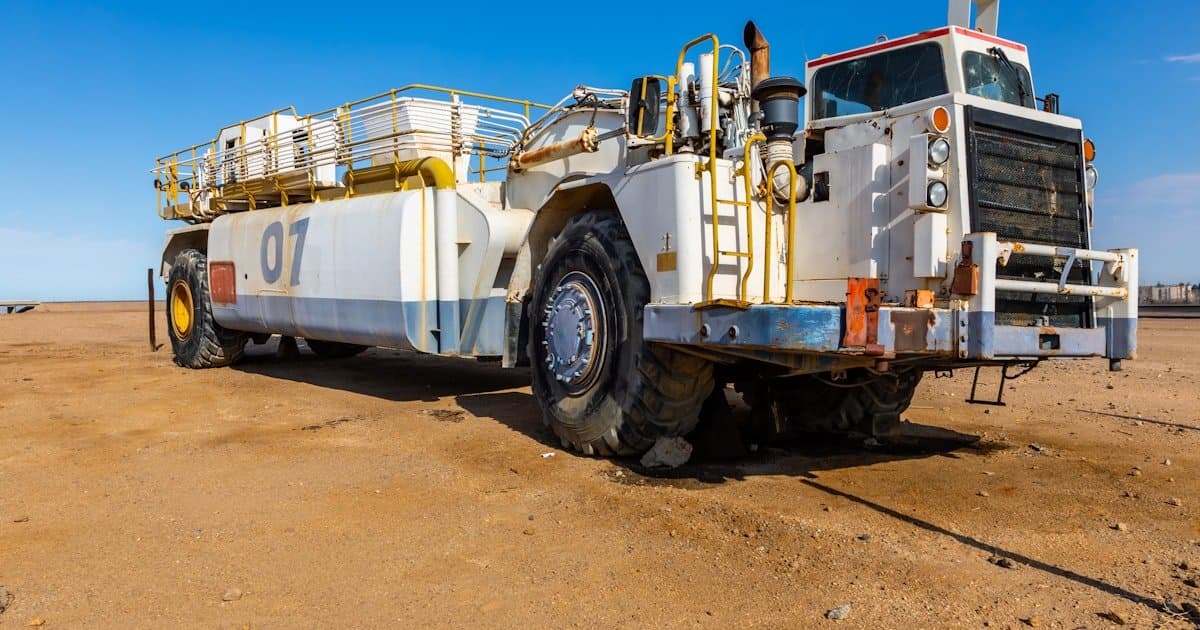
Engine hours tracking measures how long equipment engines actually run, allowing rental businesses to calculate usage-based charges, schedule maintenance, and maintain accurate operating records.
For equipment hire businesses in Pakistan, this is especially useful when renting generators, excavators, loaders, construction machinery, and other engine-powered assets. Instead of relying on handwritten logs or customer estimates, businesses can use recorded operating hours to support more accurate invoices.
Here’s how engine hours tracking works and why it matters for equipment rental operations.
What Is Engine Hours Tracking?
Engine hours tracking is the process of measuring and recording the total time an equipment engine operates.
Unlike an odometer, which measures distance traveled, an engine hour meter records operating time. This makes it useful for equipment that remains stationary while working.
For example, a generator may operate for 12 hours without moving from its installation site. A distance-based tracking system would not accurately reflect that usage.
Engine hours tracking provides a more relevant measurement for machines whose operating costs and maintenance requirements depend on runtime.
How Does Engine Hours Tracking Work?
Engine runtime can be measured through built-in hour meters, engine control modules, or compatible telematics devices.
Some GPS tracking systems can also collect engine operating data through supported hardware connections.
The recorded information may include engine start and stop times, accumulated runtime, and operating history.
For rental companies managing equipment across multiple locations, centralized monitoring can reduce the need to collect readings manually.
However, engine hours and ignition-on time are not always identical. An ignition-based system may overestimate runtime if the ignition remains on while the engine is stopped.
Businesses should verify how their tracking hardware calculates operating hours before using the readings for billing.
Why Is Engine Hours Tracking Important for Rental Businesses?
Equipment rental businesses need reliable information about how customers use their assets.
A machine rented for three days might operate for only six hours. Another machine rented for the same period might run continuously.
Without accurate usage records, both situations can become difficult to evaluate.
Engine hours tracking helps businesses:
- Calculate charges based on documented runtime.
- Identify equipment operating beyond agreed usage limits.
- Schedule maintenance according to actual engine hours.
- Review utilization across different machines.
- Resolve disagreements over rental charges.
These benefits are particularly relevant for businesses renting generators and construction equipment on daily, weekly, or monthly contracts.
How Do You Calculate Rental Charges Using Engine Hours?
Hour-based rental billing uses recorded engine runtime to determine the amount payable under an agreed rental rate.
The basic calculation is:
Rental charge = Billable engine hours × Agreed hourly rate
For example, suppose a generator is rented at PKR 1,500 per operating hour.
If the recorded runtime is 40 hours, the usage-based rental charge would be:
PKR 60,000
40 engine hours × PKR 1,500 per hour
This is an example, not a standard market rate in Pakistan.
Some businesses charge a fixed daily rental fee that includes a specified number of operating hours. Additional usage is then billed separately.
The rental agreement should clearly define included hours, excess charges, and whether engine idling counts as billable time.
How Can Engine Hours Tracking Reduce Billing Disputes?
Disagreements often occur when rental companies and customers have different records of equipment usage.
A customer might estimate that a generator operated for 30 hours, while the rental company records 42 hours.
Without reliable evidence, resolving the difference can be difficult.
A documented tracking system can provide timestamped runtime information that supports the invoice.
For additional protection, rental businesses should record hour meter readings at equipment handover and return.
Caterpillar’s equipment lease return guidance demonstrates how documented operating hours and agreed excess-hour charges are used in equipment lease arrangements.
Clear contracts and consistent records help prevent misunderstandings before they become payment disputes.
How Does Generator Runtime Monitoring Improve Maintenance?
Generator runtime monitoring helps operators determine when equipment requires servicing.
Unlike passenger vehicles, generators may accumulate significant operating hours without traveling any distance.
Manufacturers commonly specify maintenance intervals based on operating hours, calendar time, or both.
For example, Caterpillar’s planned maintenance guidance outlines service options at different operating-hour intervals. The appropriate schedule depends on the equipment model and manufacturer’s instructions.
Tracking engine hours helps rental businesses identify upcoming service requirements before equipment is sent to another customer.
This can reduce the risk of missed maintenance and unexpected downtime.
How Can Fleetile Help Equipment Rental Businesses?
Fleetile’s rental fleet tracking software provides monitoring features designed for vehicle and equipment hire businesses.
Its rental management capabilities include engine hours and distance reporting, live asset locations, geofencing, overdue return alerts, and utilization reports.
For businesses operating generators, construction equipment, and rental vehicles, these features can help centralize operational records and support usage-based invoicing.
Actual runtime reporting depends on compatible tracking hardware and correct installation.
Want to manage equipment rentals using recorded operating hours? Explore Fleetile and contact the team to discuss tracking options for your rental equipment.
Frequently Asked Questions (FAQs)
1. What is engine hours tracking?
Engine hours tracking measures how long an equipment engine operates. Rental businesses use this information for usage-based billing, maintenance scheduling, and equipment utilization reporting.
2. Can GPS trackers monitor generator runtime?
Yes, compatible GPS tracking devices can monitor generator runtime when connected to an appropriate engine-hour data source. Accuracy depends on the hardware, installation, and configuration.
3. Does engine hours tracking include idling time?
Generally, engine-hour measurements include time when the engine is running, even while the equipment is idling. However, measurement methods vary, so businesses should verify how their devices calculate runtime.
4. Can Fleetile help calculate equipment rental charges?
Fleetile supports engine-hour reporting for rental fleet management. Businesses can use recorded operating hours to support rental billing calculations. Confirm hardware compatibility and any invoicing integration requirements before implementation.