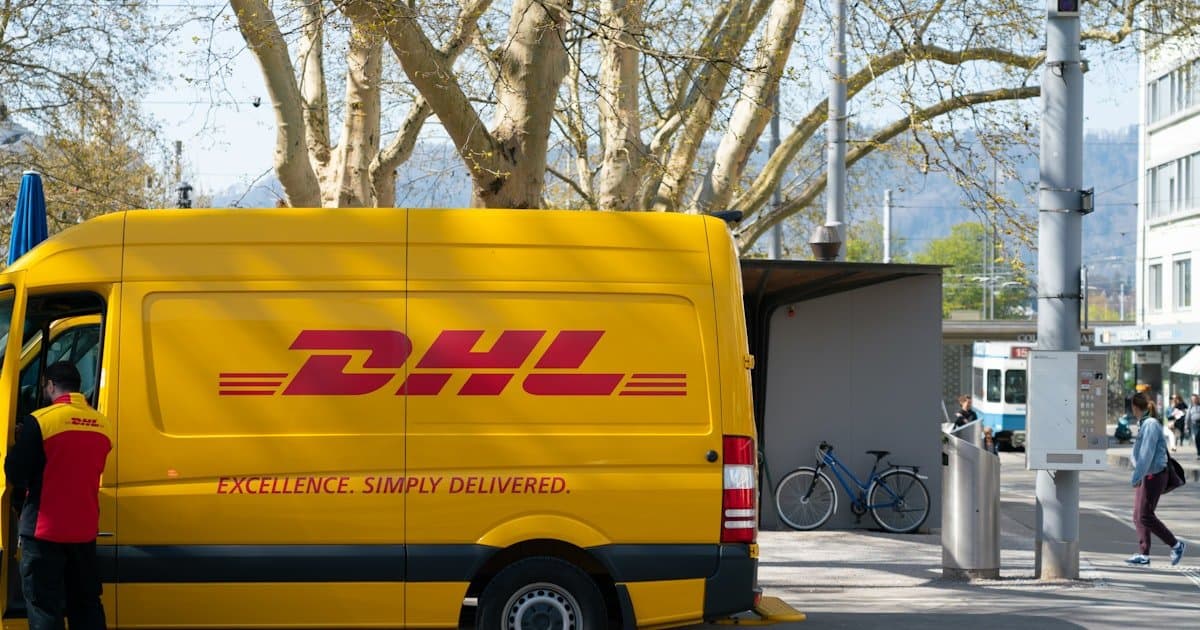
If you run three vans, five service cars or a couple of trucks, you might assume fleet software is built for someone bigger. It isn’t. Fleet management for small business is where the numbers often matter most, because a single stolen vehicle, one wasted tank of fuel a week, or an hour of daily admin hits a small operation far harder than a large one. This guide shows how a small fleet gets real value from GPS tracking without a big team or a big budget.
Why fleet management matters more for small businesses
Large fleets have slack in the system. A small fleet doesn’t. When you own a handful of vehicles, every one of them is critical to revenue, and the person running them is usually also doing three other jobs. That’s exactly why visibility pays off quickly here: you replace phone calls, guesswork and paper logs with one live map that answers “where is everyone and what are they doing?” in a glance.
The core idea is the same as any fleet management setup, just scaled down: track vehicles, control fuel, keep drivers safe, and protect your assets. The difference is that a small business feels the benefit almost immediately, because there’s nowhere for waste to hide.
The problems a small fleet actually faces
Most small operators recognise at least a few of these:
- “Where is the van?” - you’re calling drivers to find out who’s nearest a job or why someone is late.
- Fuel that doesn’t add up - spend creeps upward and you can’t pin down why.
- Side jobs and detours - vehicles used out of hours or off-route without you knowing.
- Theft that ends the week - losing one vehicle can halt the whole business.
- Admin overload - timesheets, mileage claims and “what time did you leave?” disputes eat your evenings.
GPS fleet tracking turns each of these from a guessing game into a fact you can see.
What small businesses get from GPS fleet tracking
You don’t need every enterprise feature. A focused set of tools covers the vast majority of small-fleet needs:
| Feature | What it solves for a small fleet |
|---|---|
| Live GPS tracking | See every vehicle in real time; assign the nearest one to a job. |
| Geofencing | Get alerted when a vehicle leaves the yard, a job site or its area. |
| Remote engine cut | Immobilise a stolen vehicle so it can’t be driven away. |
| Driver scoring | Spot speeding and harsh braking before they cause accidents. |
| Trip history & reports | Settle “what time were you there?” disputes and verify mileage. |
| Smart alerts | Instant warnings for out-of-hours use, overspeeding and idling. |
| iOS & Android apps | Run the whole fleet from your phone between jobs. |
How the savings stack up
For a small business, the return usually comes from three directions at once:
- Fuel - cutting idling, detours and unauthorised trips trims the biggest recurring cost. Pair tracking with a few habit changes and the fuel line moves fast. Our guide to improving fleet fuel efficiency breaks this down.
- Theft prevention - geofencing plus remote engine immobilisation means a stolen vehicle can be stopped and located, protecting an asset a small business can’t afford to lose.
- Time - automatic trip logs, mileage and timestamps replace the admin that used to fill your evenings.
Because a small fleet has few vehicles, even modest per-vehicle savings add up to a meaningful share of the total. That’s why many small operators recover the cost well inside the first few months.
Do you need to be technical? No.
A common worry is that fleet software means IT projects, complicated installs and staff training. With a managed platform, it doesn’t. The provider supplies the GPS device, SIM and installation, so the hardware side is handled for you. You get a login, an app on your phone, and a live map. If you can use a maps app, you can run your fleet.
Start small and grow. There’s no rule that says you must fit every vehicle at once. Many small businesses begin with their highest-value or highest-risk vehicles, see the reports, and roll it out from there.
Getting the most out of it
A few habits turn tracking into results:
- Set geofences around your yard, key sites and service areas so movement outside them is flagged automatically.
- Review the driver scores weekly - a two-minute glance catches the speeding and harsh braking that lead to accidents and higher insurance.
- Use trip reports for invoicing and disputes instead of trusting memory.
- Turn on the alerts that matter to you - out-of-hours ignition and geofence exits are the big two for small fleets.
For a wider view of trimming spend, see how small operators cut fleet costs across fuel, maintenance and admin. And if you’re weighing the setup itself, the Fleetile platform and a quick demo are the fastest way to see it on your own vehicles.
Frequently asked questions
Is fleet management worth it for just a few vehicles?
Yes. A small fleet feels waste more sharply than a large one, so the savings on fuel, theft and admin often cover the cost within a few months. You don’t need a minimum number of vehicles to benefit.
Do I need to install anything myself?
No. A managed provider supplies the GPS device, SIM and installation. You just use the software and the mobile app to track vehicles and receive alerts.
Can I manage a small fleet from my phone?
Yes. Platforms like Fleetile offer full iOS and Android apps, so you can see live locations, get alerts and send remote commands between jobs without being at a desk.
Will tracking help if a vehicle is stolen?
Absolutely. Geofencing alerts you to unauthorised movement, remote engine cut lets you immobilise the vehicle, and live location supports fast recovery with the authorities.
See it on your own vehicles
The clearest way to judge fleet management for a small business is to watch it run on a real fleet. Get a Fleetile demo and see live tracking, geofencing and theft protection working end to end.