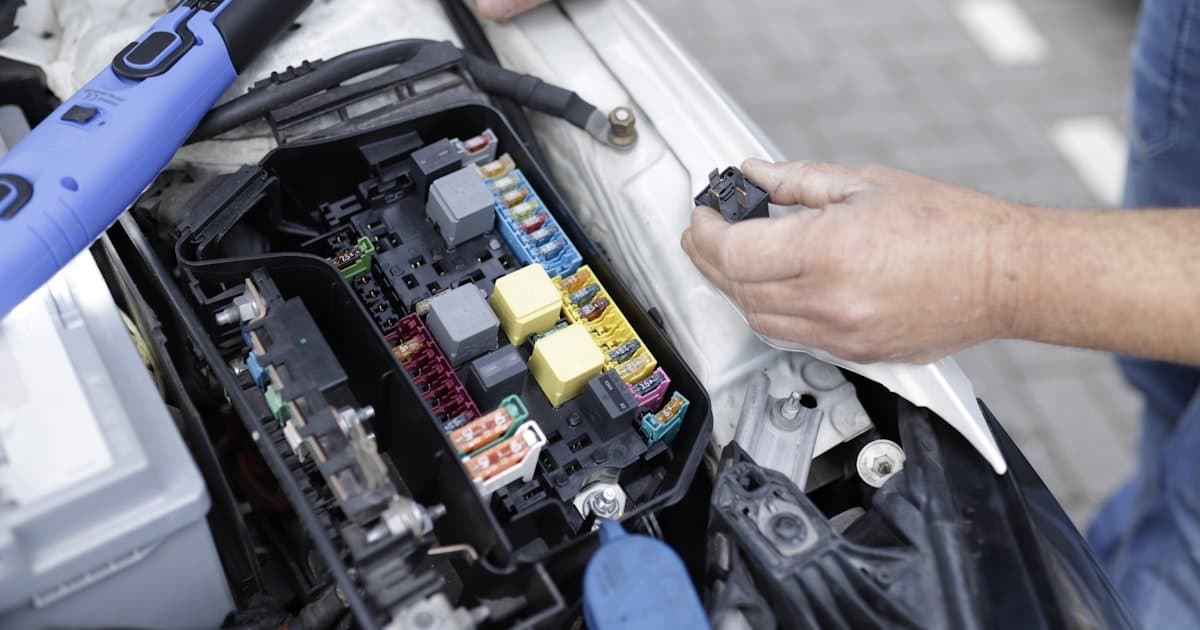
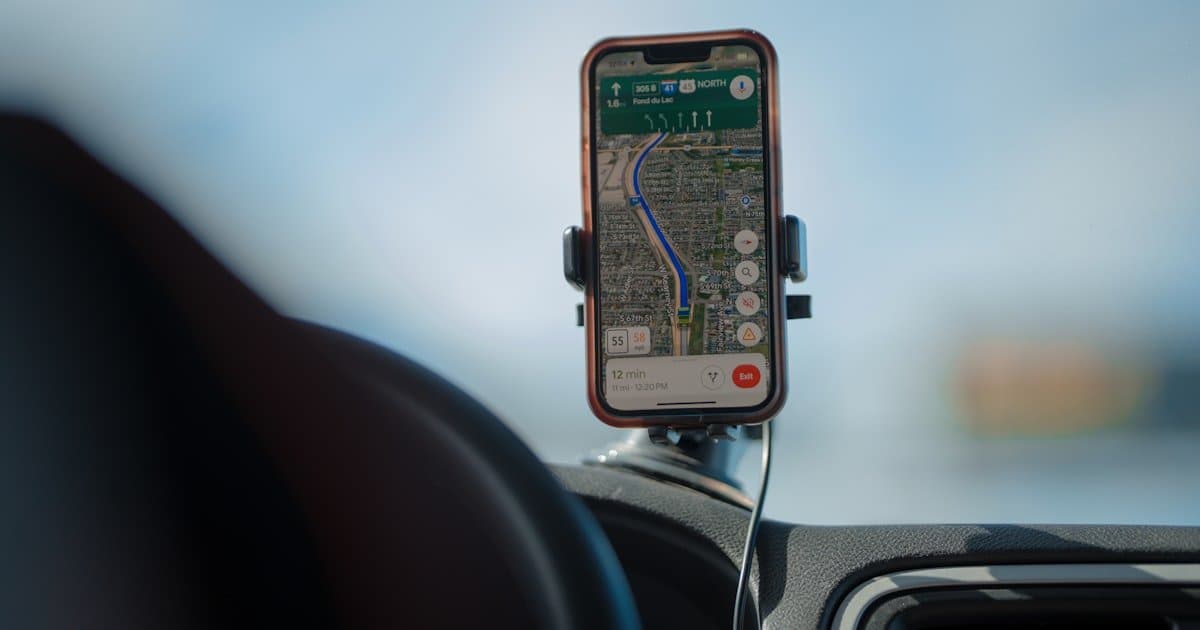
The short version of telematics vs GPS tracking is this: GPS tracking tells you where a vehicle is, and telematics tells you what it has been doing and what that is costing you. GPS is one component inside a telematics system rather than a competing product, which is why comparing them feels slippery. The real question is not which technology is better. It is how much of the extra data you will actually use, because you pay for all of it either way.
What each one gives you
| Capability | GPS tracking | Telematics |
|---|---|---|
| Live position on a map | Yes | Yes |
| Journey history and route replay | Usually | Yes |
| Geofence alerts | Sometimes | Yes |
| Speeding, harsh braking, cornering | Rarely, and often inferred | Yes, from motion sensors |
| Engine hours, idle time, ignition state | No | Yes |
| Driver scoring and comparison | No | Yes |
| Maintenance scheduling from real usage | No | Yes |
| Cost and utilisation reporting | No | Yes |
The pattern is clear once it is laid out. GPS tracking covers the questions asked in the moment. Telematics covers the questions asked at the end of the month, which are the ones that involve money.
“GPS telematics”: when people mean one system, not two
A lot of people arrive here having searched for GPS telematics, telematics GPS system or telematics GPS tracking, and they are not asking for a comparison at all. In everyday industry use those phrases are a single noun. They describe one product: a system that uses satellite positioning as its foundation and adds the vehicle and behaviour data on top.
Both readings are correct, which is why the subject feels slippery.
- “Telematics vs GPS” is a buying question. It asks which of two products to pay for, and the rest of this guide answers it.
- “GPS telematics” is a category name. It asks what the combined thing is, and the answer is below.
What a GPS telematics system actually contains
Sold as one product, a GPS telematics system is four parts that have to work together. A weakness in any one of them shows up as a weakness in the whole system, which is why comparing only the software is a common and expensive mistake.
| Part | What it is | What goes wrong without it |
|---|---|---|
| The device | A unit in the vehicle with a satellite receiver, a motion sensor and, on wired units, a connection to the vehicle’s own data | No engine or behaviour data is possible later, whatever the software promises |
| The connection | A SIM and mobile data plan carrying records to the server | Gaps in coverage become gaps in history, unless the device stores and forwards |
| The platform | Software turning raw records into a live map, alerts, journeys and reports | You have data nobody can read, which is the same as having none |
| Fitting and support | Installation, replacement, and someone to call | Vehicles quietly stop reporting and nobody notices for weeks |
The positioning layer is the same in every one of these systems, because they all read the same satellites. What separates them is the three layers above it. Our guide to how telematics works follows a single record through all four stages, and telematics devices explained covers the hardware end in detail.
So is GPS telematics different from GPS tracking?
Yes, and the distinction is worth holding onto because it decides what you can measure. GPS tracking is the positioning layer on its own: where the vehicle is, and where it has been. GPS telematics is that layer plus everything the vehicle can tell you about itself. Every GPS telematics system contains GPS tracking. The reverse is not true, and no amount of software upgrades will make a position-only device produce engine data.
Telematics and telemetry are not the same word
One more pair that gets confused, and the difference is simple. Telemetry is the general practice of measuring something remotely, used in aviation, medicine, energy and manufacturing. Telematics is telemetry applied to vehicles, with the positioning layer built in. Every telematics system is a telemetry system; most telemetry has nothing to do with vehicles.
Where plain GPS tracking is genuinely enough
Plenty of sales copy insists everyone needs the full system. That is not true, and pretending otherwise wastes people’s money.
- One or two vehicles, owner-driven. If the owner drives the vehicle, driver scoring compares them to themselves. Location and theft recovery is the whole benefit.
- Recovery as the only goal. If the reason for buying is finding a stolen vehicle, position and tamper alerts do that job.
- Unpowered assets. A trailer or a container has no engine data to read and no driver behaviour to score. Location is the entire question. See trailer and container tracking.
- Very short-term hire. If a vehicle is in your fleet for a week, there is no behaviour trend to build.
Where the extra data starts paying
The crossover is not about fleet size. It is about whether anyone in the business is accountable for the running cost of the vehicles. Once someone is, three things change.
You can find waste instead of suspecting it
Fuel spend that looks high is a suspicion. Fuel spend set against real distance, idle hours and driving style is a diagnosis, and it points at specific vehicles. That is the difference between an uncomfortable conversation and a fixable problem, and it underpins the approach in reducing fuel theft.
Risk becomes visible before the incident
Speeding and harsh braking data exists weeks before the accident it predicts. Plain GPS tracking gives you a route line after the fact and nothing to act on before it.
You can answer questions from other departments
Finance wants cost per kilometre. Operations wants utilisation. Insurers want a safety record. Customers want proof of arrival time. None of those come from position alone, and all of them are routine outputs of a telematics system. The measures worth building the routine on are covered in fleet management KPIs.
The cost difference is smaller than people expect
Buyers usually assume telematics costs several times what basic tracking costs. In practice the hardware is similar, the SIM and data cost is nearly identical, and the difference sits in the software subscription. The larger cost is not on the invoice at all: telematics only returns anything if somebody looks at it weekly. A fleet that will not commit to that routine should buy the cheaper option honestly rather than buy the better one and ignore it.
The full cost picture, including the recurring items people forget, is in what fleet GPS tracking costs.
How to decide in five minutes
- Who drives the vehicles? If it is employees rather than owners, behaviour data has a job to do.
- Is fuel a cost you are trying to reduce? If yes, idle and behaviour data is the mechanism.
- Does anyone dispute your delivery or arrival times? If yes, journey and geofence records settle it.
- Do you schedule maintenance by date? If yes, usage data will change what you spend.
- Will someone review a weekly report? If nobody will, the extra data is decoration.
Two or more yes answers, and telematics is the correct buy. Fewer than two, and plain tracking is not a compromise, it is the right fit.
Frequently asked questions
What is the difference between telematics and GPS tracking?
GPS tracking provides the vehicle’s position. Telematics uses that position and adds driving behaviour, engine and usage data, alerts, scoring and reporting, so it answers how the vehicle was driven and what it cost rather than only where it is.
Is GPS the same as telematics?
No. GPS is a positioning technology and one input into a telematics system. Every telematics system uses GPS, but a GPS tracker is not a telematics system.
Is telematics more expensive than GPS tracking?
Somewhat, and mostly in the software subscription rather than the hardware or the SIM. The bigger difference is the time commitment, since telematics only returns value when someone reviews the data regularly.
Can you upgrade from GPS tracking to telematics later?
Often yes on the software side, but the hardware decides what can be measured. A device without motion sensing or an engine connection cannot produce behaviour or usage data no matter what software it reports to, so the device choice is worth getting right first.
Which is better for a small fleet?
It depends on who drives. If employees drive the vehicles and fuel is a real cost, telematics pays back faster in a small fleet than a large one because a single problem vehicle is a bigger share of the total. If the owner drives, plain tracking is usually enough.
What is a GPS telematics system?
One product built from four parts: a device in the vehicle, a mobile connection carrying its records, software that turns those records into maps and reports, and the fitting and support behind it. The satellite positioning layer is the foundation; the vehicle and behaviour data sits on top of it.
What does GPS telematics mean?
It is used as a single term for the combined system rather than as a comparison between two things. When someone says GPS telematics they usually mean tracking plus engine, behaviour and reporting data in one platform.
Is GPS telematics the same as GPS tracking?
No. GPS telematics includes GPS tracking, but adds the vehicle’s own data on top. A position-only tracker cannot be upgraded into one through software, because the hardware decides what can be measured.
Does telematics track your location?
Yes. Location is the foundation every other measurement is attached to, which is why a telematics system always includes what a GPS tracker does.
What is the difference between telematics and telemetry?
Telemetry is remote measurement of anything, from aircraft to hospital equipment. Telematics is telemetry applied to vehicles, with satellite positioning built in.
Compare them on your own vehicles
The comparison is easier when it is your fleet on the screen instead of a feature table. Get a Fleetile demo and see what the Fleetile platform reports beyond the map.