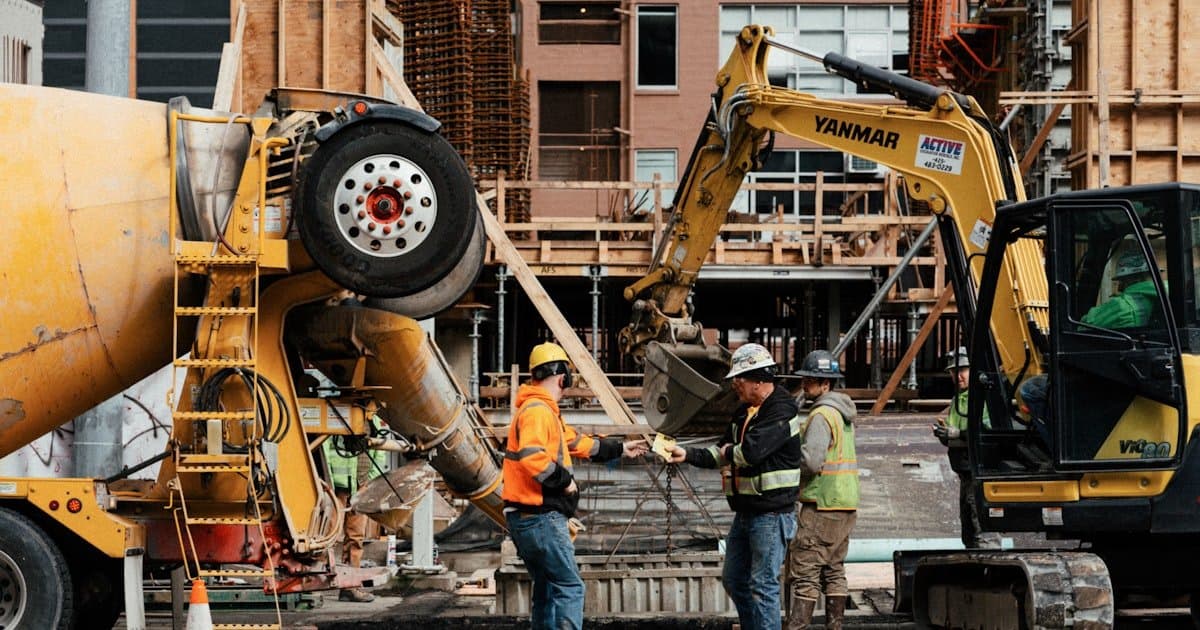
An asset tracking system monitors the equipment that a vehicle tracking system never sees: generators, compressors, containers, trailers, site machinery, portable tanks and tools. These items have two things in common. They are valuable enough to hurt when they disappear, and most of them have no engine, no dashboard and often no power source to draw on, which is why an ordinary vehicle tracker cannot simply be fitted to them.
The result is that many businesses know exactly where every van is and have no reliable idea where half their equipment is.
What counts as an asset here
| Asset | Has power | Typical loss |
|---|---|---|
| Generators, compressors, pumps | Own engine, intermittent | Theft from site, and unlogged hire |
| Trailers and containers | None | Left at the wrong site, or taken |
| Heavy machinery | Own engine | Underused, moved without record |
| Portable tanks and skips | None | Slow disappearance nobody notices |
| High-value tools | None, small | Attrition rather than theft events |
The last row is the one that surprises people. Tool losses rarely happen as a dramatic theft. They happen as a slow attrition that only shows up in the replacement budget a year later, by which point the trail is cold.
How asset devices differ from vehicle trackers
Three differences matter, and they all follow from the lack of a power supply.
They report far less often
A vehicle tracker reports every few seconds because it has an engine feeding it. A battery-powered asset device might report a handful of times a day, because every transmission costs battery life measured in years of expected service. This feels like a downgrade until you consider the question being asked. Nobody needs a live map of a generator. They need to know where it is and whether it moved.
They wake on movement
The useful compromise is a device that sleeps while the asset is still and starts reporting frequently the moment it detects motion. A container sitting in a yard for three weeks produces almost no data and almost no battery drain. The same container being lifted onto a truck starts reporting immediately.
They are built for the environment
Site equipment lives outdoors, gets rained on, gets knocked, and gets covered in dust. Asset devices are sealed and mounted with magnets or bolts rather than plugged in. A vehicle device fitted to a skip will not survive the year.
What an asset tracking system is actually used for
Recovery and deterrence
The obvious one. A geofence around each site turns any movement outside working hours into an immediate alert, which is the difference between recovering equipment and filing a claim. The same principle applied to vehicles is covered in preventing vehicle theft.
Utilisation, which is usually the bigger number
Businesses buy extra equipment because nobody could find the existing item when it was needed. Once every asset’s location and running hours are visible, the common discovery is that utilisation across the pool is far lower than assumed, and the next purchase can be cancelled. That saving is quiet but it is often larger than the theft prevention.
Billing and hire records
For businesses that hire equipment out, running hours from the asset itself settle disputes about how long something was used and how hard. It replaces a customer’s recollection with a record.
Maintenance on real hours
A generator serviced on a calendar is either serviced too often or not often enough. Running hours reported by the asset fix that, in the same way engine hours do for vehicles.
What to expect, honestly
- Position updates in hours, not seconds, for battery devices at rest. This is a design choice, not a fault.
- Battery life measured in years, but shorter for assets that move constantly, since motion triggers reporting.
- Indoor accuracy is poor. An asset inside a metal container or a workshop may report the last known outdoor position, which is usually enough to answer the question.
- Small assets need a different economic argument. Fitting a device to every hand tool rarely pays; fitting one to each tool chest or site container usually does.
Where to start
- List assets by value and by how often they go missing. These are different lists and the overlap is where you start.
- Cover the container, not the contents, for small items. One device on a locked chest beats twenty devices on tools.
- Geofence your sites and yards first. Movement alerts are the highest value output on day one.
- Review utilisation after a month before approving any new equipment purchase.
If your assets include trailers or shipping containers specifically, the sector detail is in trailer and container tracking, and construction fleets are covered in fleet tracking for construction. The device types themselves are compared in telematics devices.
Frequently asked questions
What is an asset tracking system?
It is a set of location devices fitted to equipment rather than vehicles, plus software that reports where each item is, when it moved, and how many hours it has run. It covers assets that have no engine or no permanent power supply.
How long do asset tracking device batteries last?
Typically years rather than months, because the devices sleep while the asset is stationary and only report frequently when motion is detected. Assets that move constantly drain faster than ones that sit on a site.
Can you track equipment that has no power supply?
Yes. Battery-powered devices mounted with magnets or bolts are designed for exactly this, and they are the standard choice for trailers, containers, skips and portable equipment.
Does asset tracking work indoors?
Poorly, because satellite positioning needs a view of the sky. An asset inside a workshop or a metal container usually reports its last outdoor position, which in practice still answers the question of which site it is on.
Is asset tracking worth it for small tools?
Rarely per tool, and usually per container. Fitting one device to a locked tool chest or a site box covers the contents at a fraction of the cost and catches the movement that matters.
Find the equipment you stopped counting
Most businesses discover both a theft problem and an over-purchasing problem in the first month. Get a Fleetile demo and see how the Fleetile platform handles assets alongside vehicles.